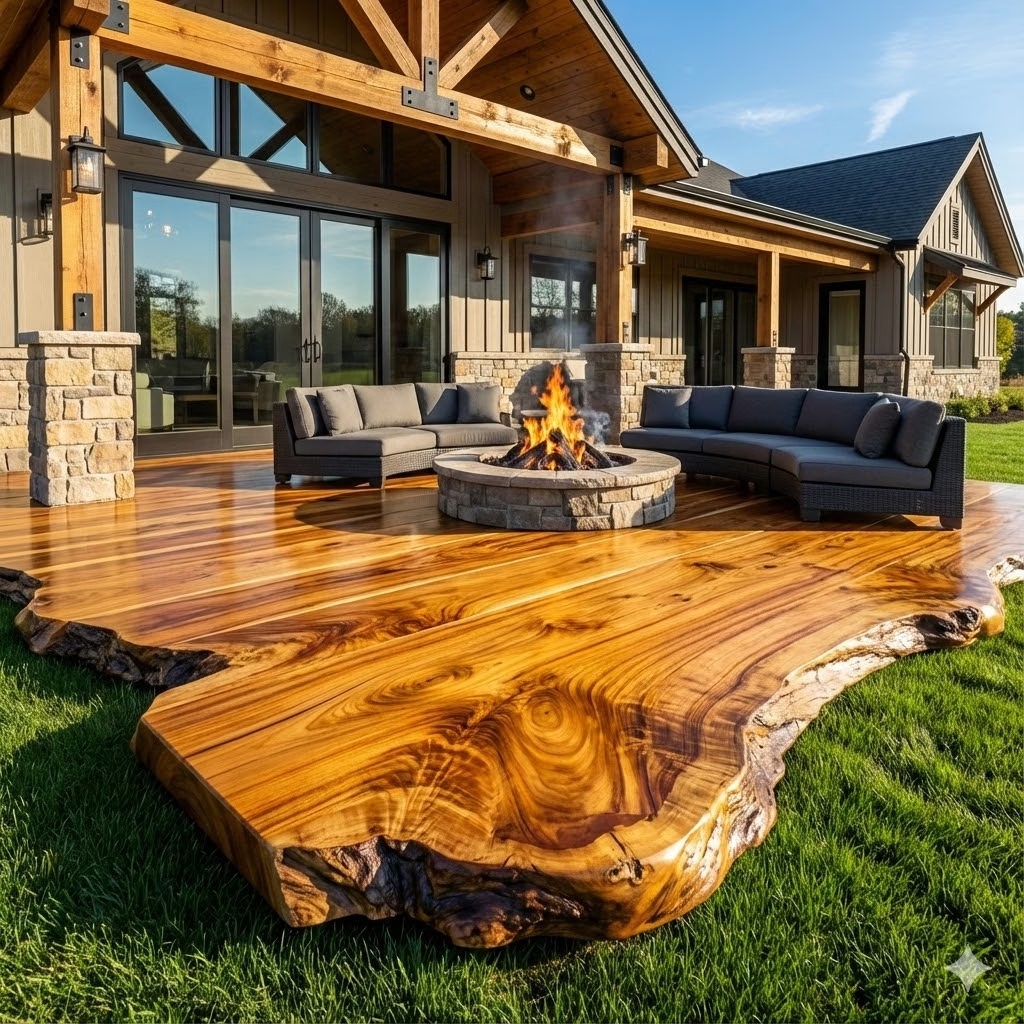
Looking to create a stunning outdoor living area that combines rustic charm with modern functionality? A wood slab patio offers a unique alternative to traditional concrete or stone patios, bringing warmth, character, and natural elegance to your backyard. This guide explores everything you need to know about designing, building, and maintaining a beautiful wood slab patio.
What is a Wood Slab Patio?
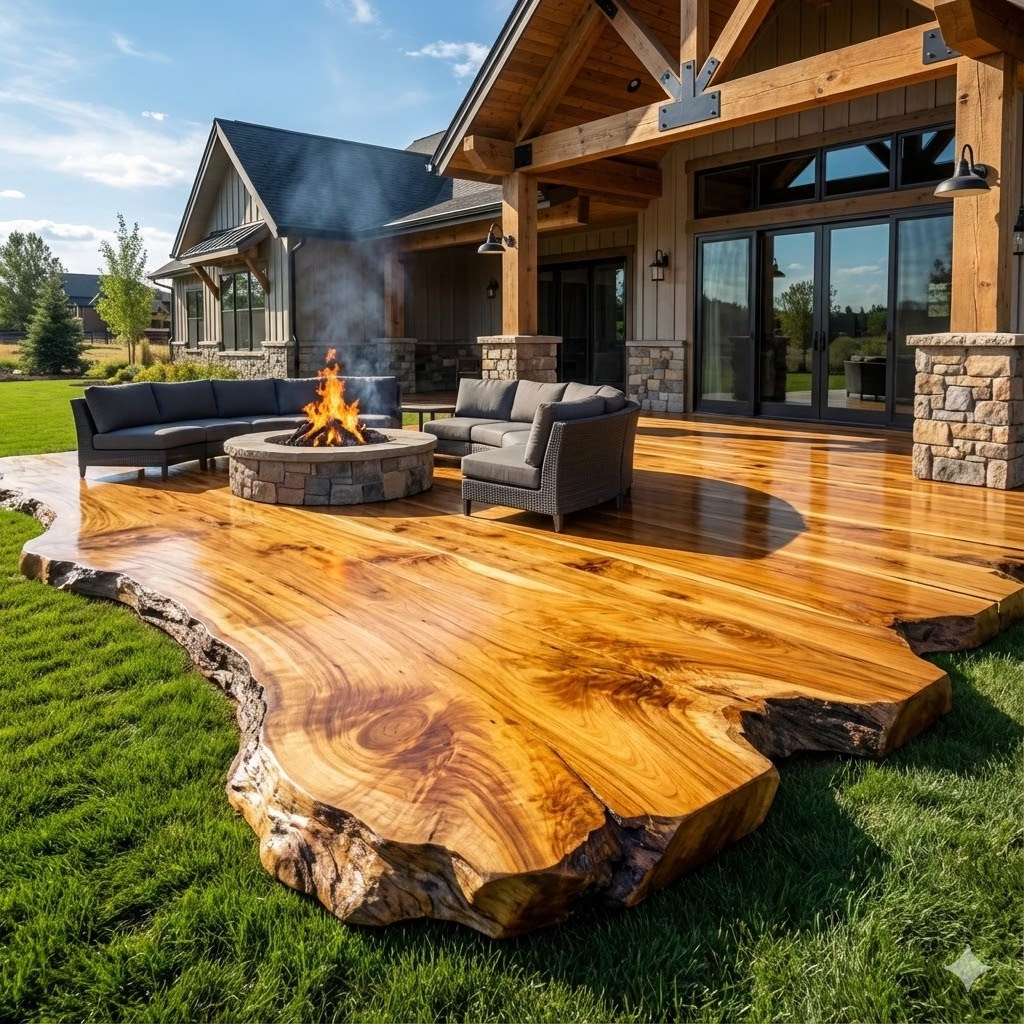
A wood slab patio uses thick, cross-cut sections of tree trunks or large timber slabs as paving materials to create an organic, naturalistic outdoor flooring surface. These substantial wood rounds or rectangular slabs are typically 2-6 inches thick and can range from small stepping stones to large statement pieces several feet in diameter. When arranged thoughtfully with gravel, moss, or ground cover between them, wood slabs create a charming, woodland-inspired patio perfect for relaxation and entertaining.
Benefits of Choosing a Wood Slab Patio
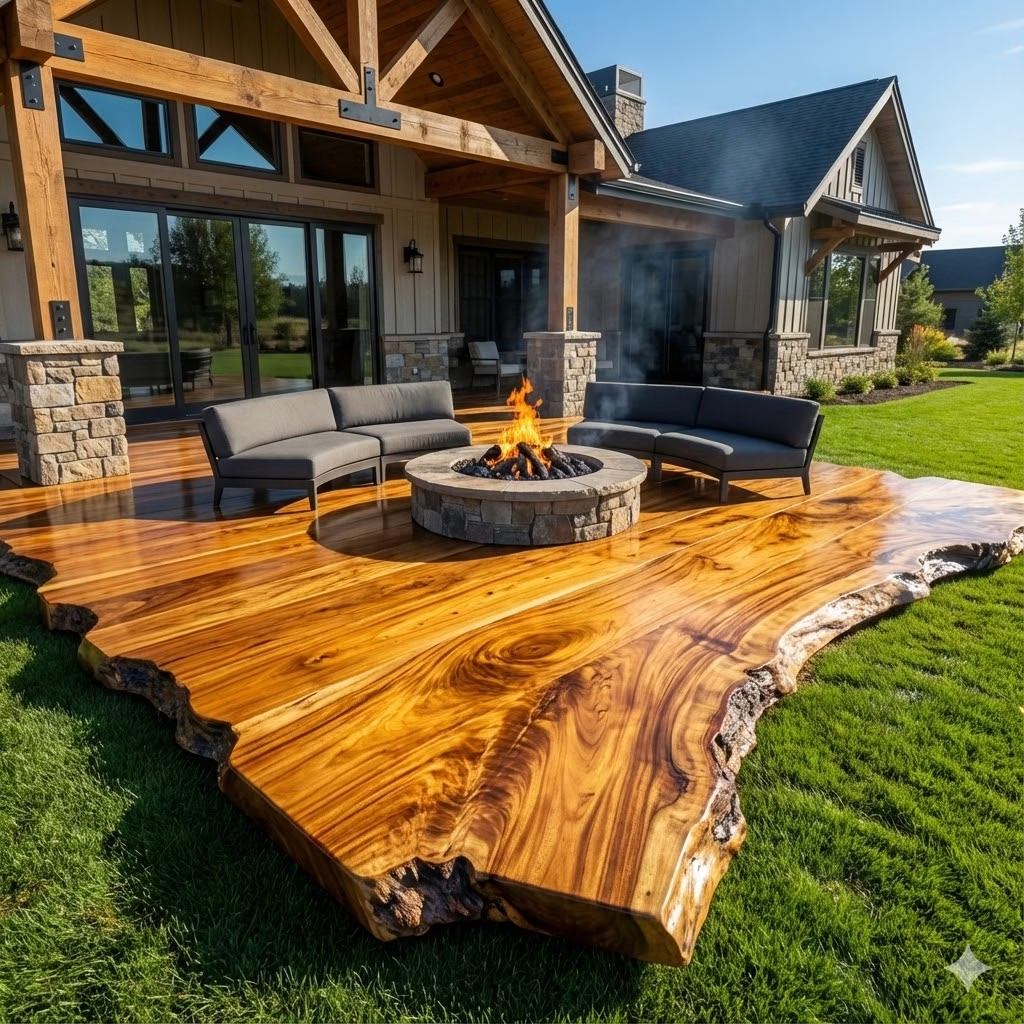
Natural Aesthetic Appeal: Wood slab patios bring an unmatched organic beauty to outdoor spaces. Each piece features unique grain patterns, growth rings, and natural variations that create visual interest and complement any landscape design.
Cost-Effective Solution: Compared to expensive stone pavers or elaborate concrete work, wood slabs offer an affordable patio option, especially if you source reclaimed wood or fallen trees from your property or local tree services.
Eco-Friendly Choice: Using reclaimed or salvaged wood slabs diverts material from landfills and reduces the environmental impact associated with manufacturing traditional paving materials.
Easy DIY Installation: Unlike complex masonry work, installing a wood slab patio is achievable for most homeowners with basic tools and weekend time commitment.
Versatile Design Options: Wood slabs work beautifully in various landscape styles, from rustic cabin retreats to contemporary minimalist gardens, cottage-style backyards, and zen-inspired meditation spaces.
Best Wood Types for Patio Slabs
Cedar: Naturally resistant to rot and insects, cedar is an excellent choice for outdoor applications with a pleasant aroma and attractive reddish hue.
Redwood: Another rot-resistant option, redwood offers beautiful coloring and exceptional durability in outdoor settings.
Oak: Dense and long-lasting, oak slabs provide excellent wear resistance and develop an attractive silver-gray patina over time.


Black Locust: One of the most durable hardwoods available, black locust resists decay exceptionally well and can last decades outdoors.
Pine (treated): While softer than hardwoods, pressure-treated pine offers an affordable option with decent longevity when properly maintained.
Wood Slab Patio Design Ideas
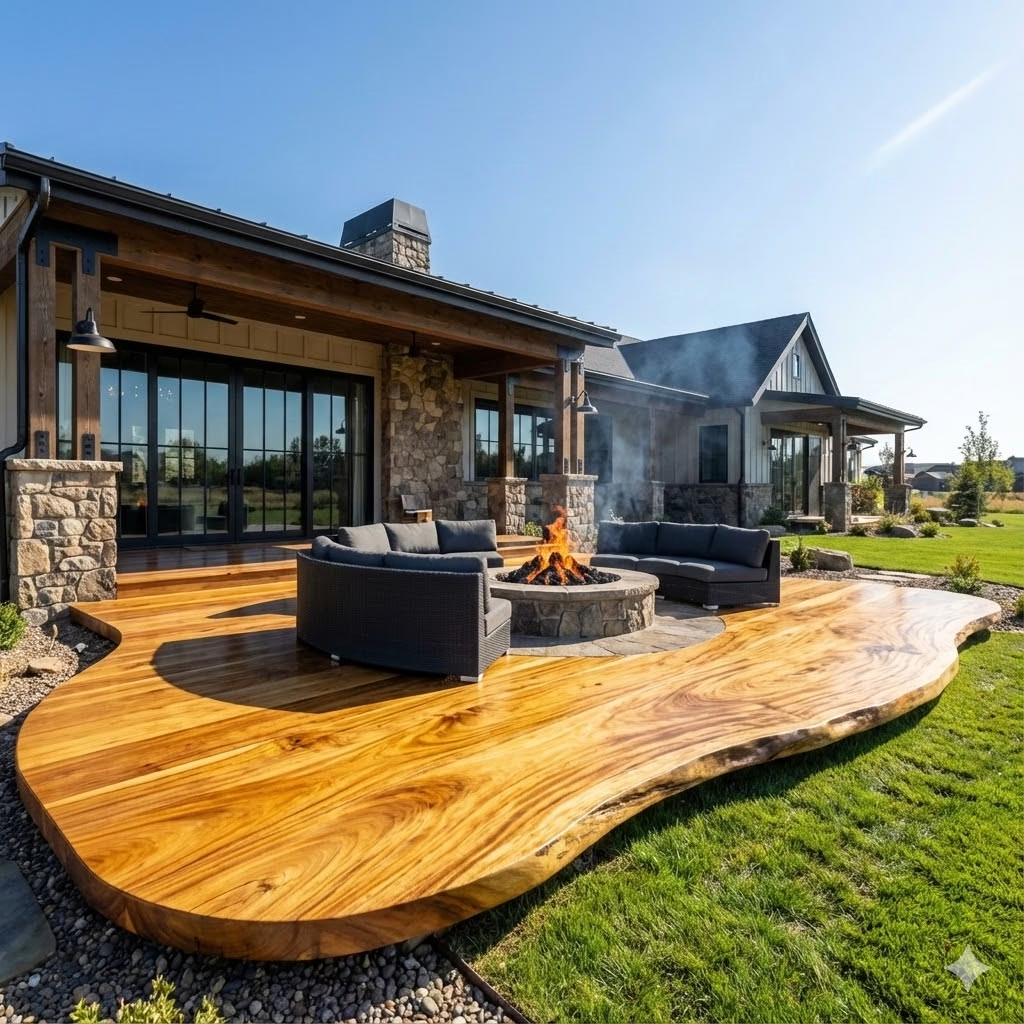
Stepping Stone Pathway Style: Arrange smaller wood rounds in a meandering path through your garden, with ground cover plants growing between each slab for a whimsical, fairy-tale appearance.
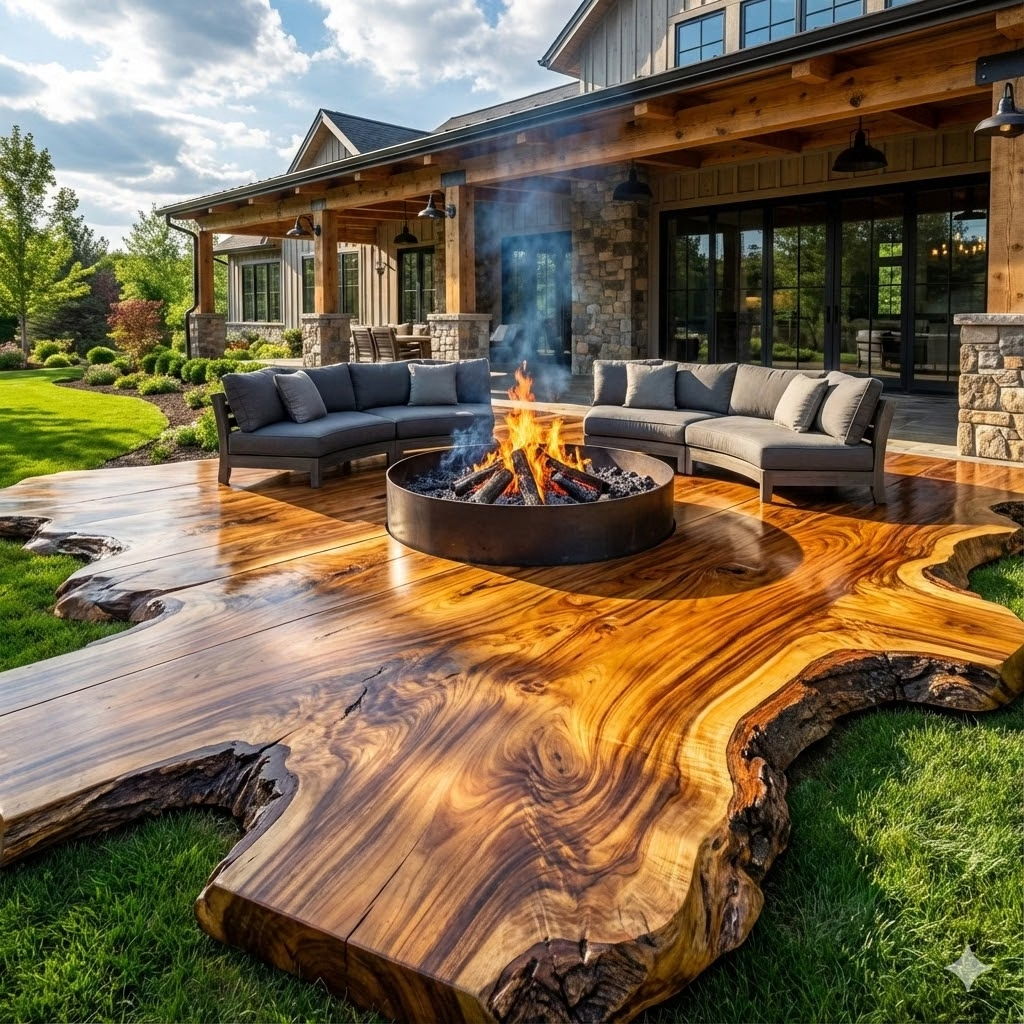
Large Format Contemporary: Use oversized rectangular wood slabs with minimal spacing for a modern, sophisticated look that emphasizes the natural wood grain and texture.
Mixed Material Design: Combine wood slabs with gravel, river rocks, or crushed stone to create visual contrast and improve drainage while reducing the amount of wood needed.
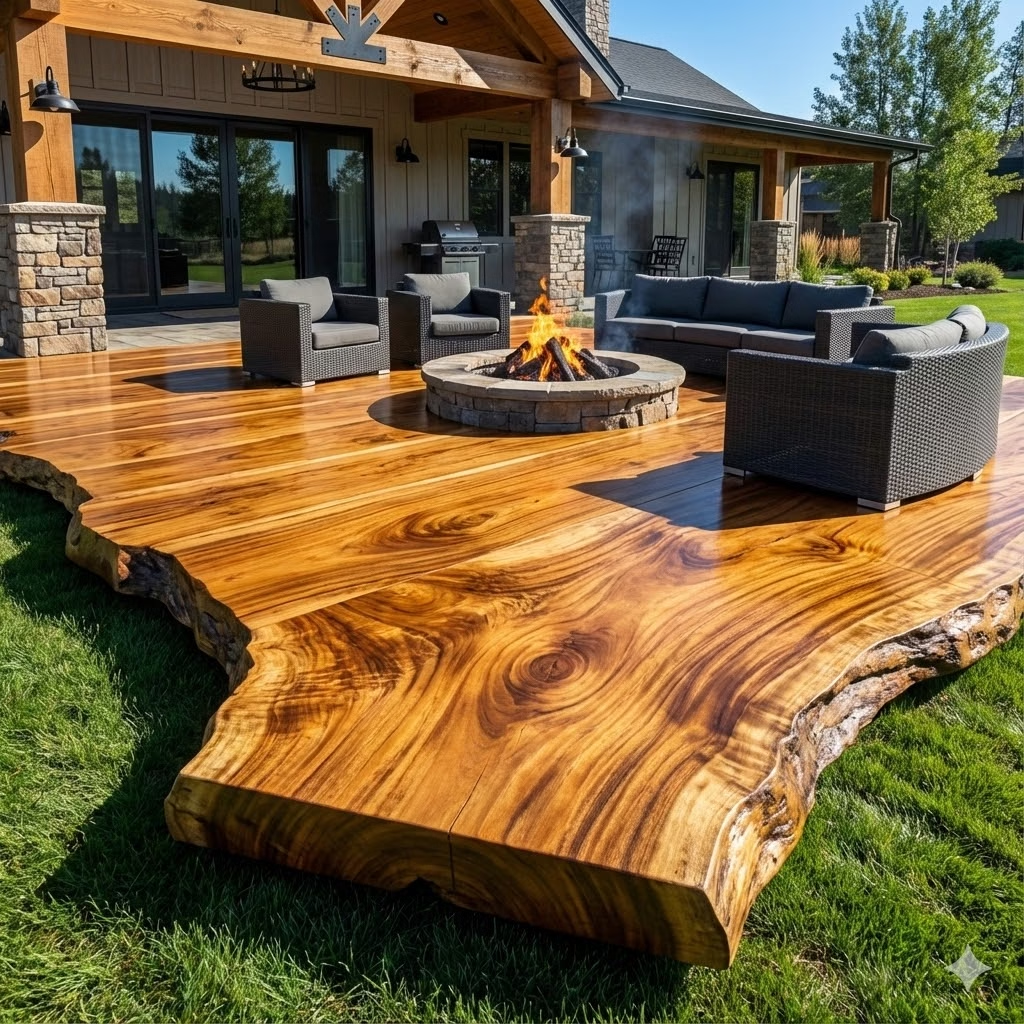
Concentric Circle Pattern: Arrange wood rounds in circular patterns radiating outward from a central fire pit or seating area for a dynamic, eye-catching design.
Rustic Cabin Style: Keep bark edges intact on slabs for maximum rustic charm, perfect for mountain homes or countryside retreats.
Installation Guide for Wood Slab Patios
Site Preparation: Choose a level area with good drainage. Remove grass and excavate 4-6 inches deep. Install landscape fabric to prevent weed growth.
Base Layer: Add 2-3 inches of crushed gravel or sand as a stable, well-draining foundation. Compact thoroughly with a tamper.
Wood Treatment: Treat raw wood slabs with outdoor wood preservative or sealant to extend lifespan and prevent premature decay.
Slab Placement: Arrange wood slabs according to your design plan, leaving 1-3 inches between pieces. Level each slab using additional sand or gravel underneath as needed.
Fill Gaps: Fill spaces between slabs with pea gravel, decorative stones, or allow moss and low-growing plants like creeping thyme to establish naturally.
Finishing Touches: Edge the patio with landscape timbers, stones, or metal edging to contain materials and create a polished appearance.
Maintenance and Longevity
A properly installed wood slab patio can last 5-15 years depending on wood type, climate, and maintenance. To maximize lifespan, reapply wood sealant every 1-2 years, ensure proper drainage to prevent standing water, remove debris and leaves regularly, check for soft spots indicating rot and replace damaged slabs promptly, and consider raising slabs slightly above ground level to improve air circulation.
Cost Considerations
Wood slab patio costs vary significantly based on materials and installation method. DIY projects using free or reclaimed wood can cost as little as $1-3 per square foot for base materials and sealant. Purchased wood slabs typically range from $3-8 per square foot. Professional installation adds $5-10 per square foot in labor costs. Overall, wood slab patios are generally 30-50% less expensive than comparable stone or concrete alternatives.
Is a Wood Slab Patio Right for You?
A wood slab patio is ideal if you appreciate natural, organic design aesthetics, want an affordable outdoor living space option, enjoy DIY home improvement projects, have access to reclaimed or salvaged wood, or desire a patio that blends seamlessly with natural surroundings.
Transform Your Backyard Today
A wood slab patio offers the perfect combination of natural beauty, sustainability, and affordability for homeowners seeking to create inviting outdoor living spaces. Whether you’re building a quiet meditation corner, a family gathering spot, or a charming pathway through your garden, wood slabs provide a versatile, attractive solution that celebrates the organic beauty of natural materials.
Ready to start your wood slab patio project? Gather your materials, plan your design, and create an outdoor space that you’ll enjoy for years to come.