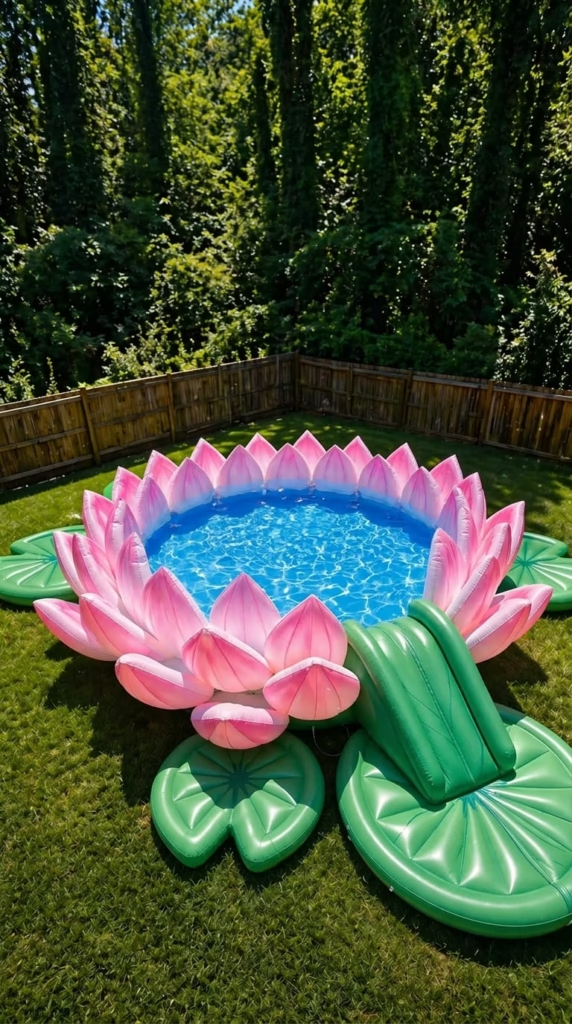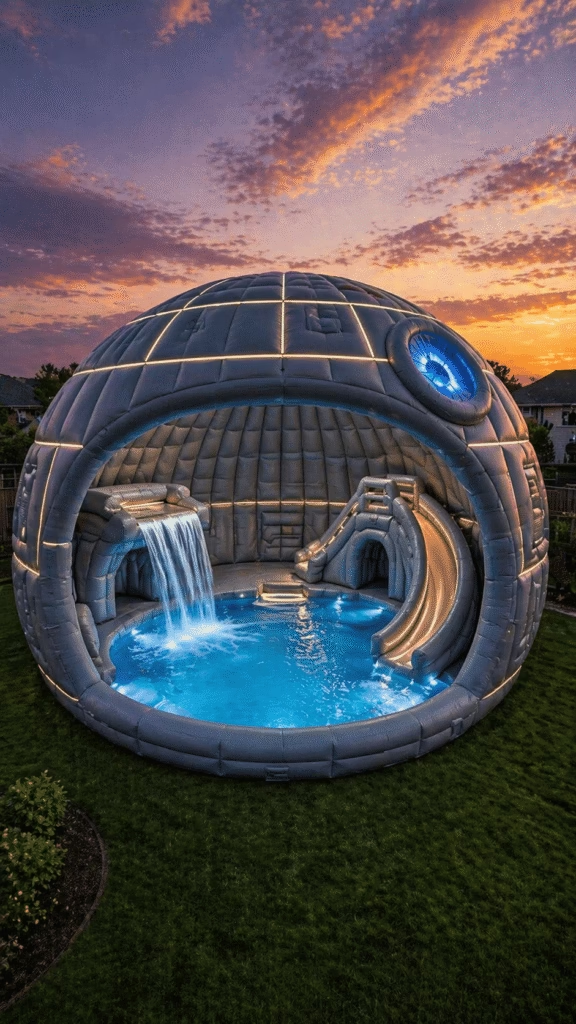
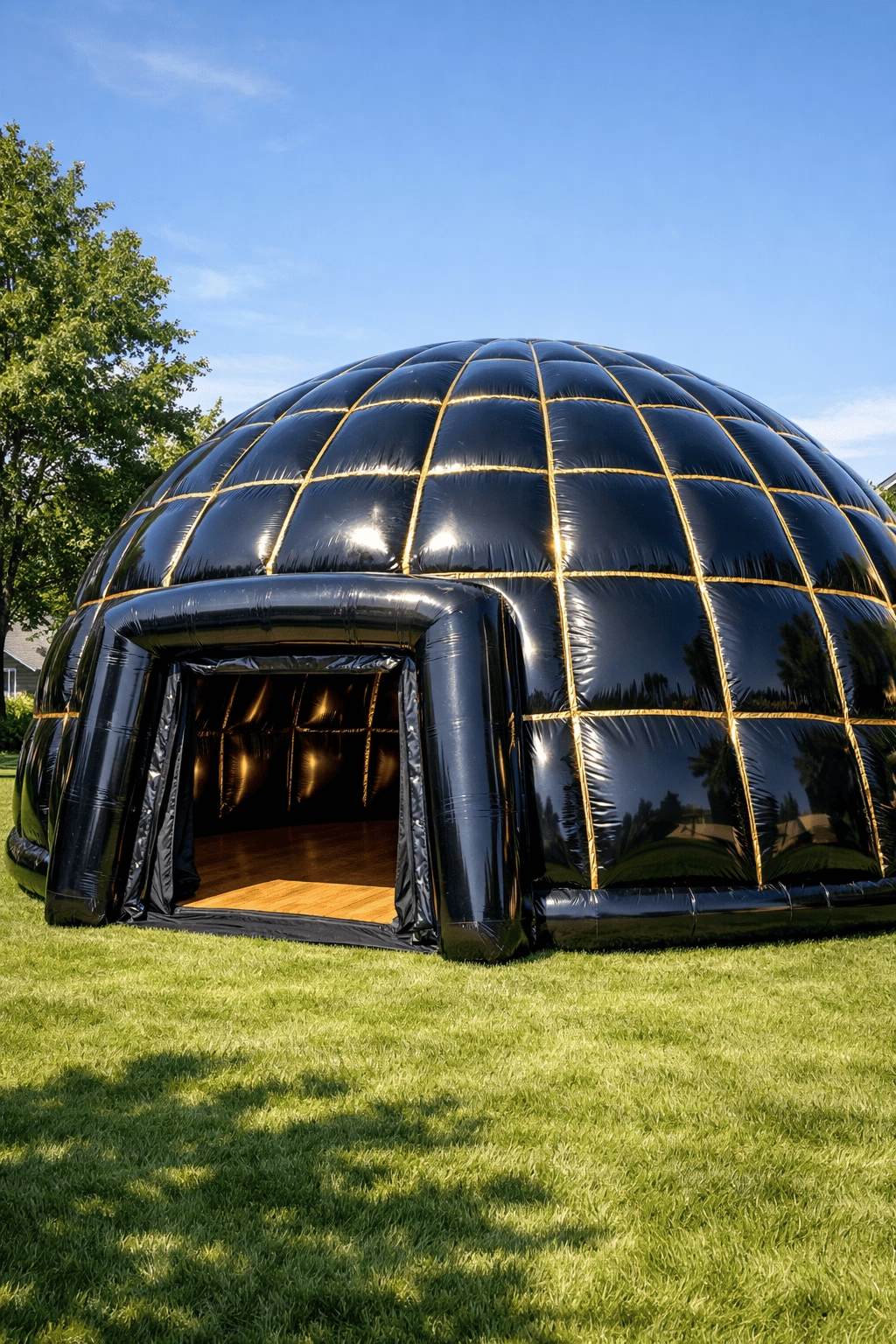
The way we think about home construction is changing fast — and the inflatable dome house is leading the charge. Once the stuff of science fiction, these remarkable structures are now a legitimate, growing housing solution for homeowners, eco-conscious builders, and disaster-resilient communities around the world. Whether you’re exploring affordable alternatives to traditional housing or simply curious about what’s next in modern architecture, the inflatable dome house deserves a serious look.
What Is an Inflatable Dome House?
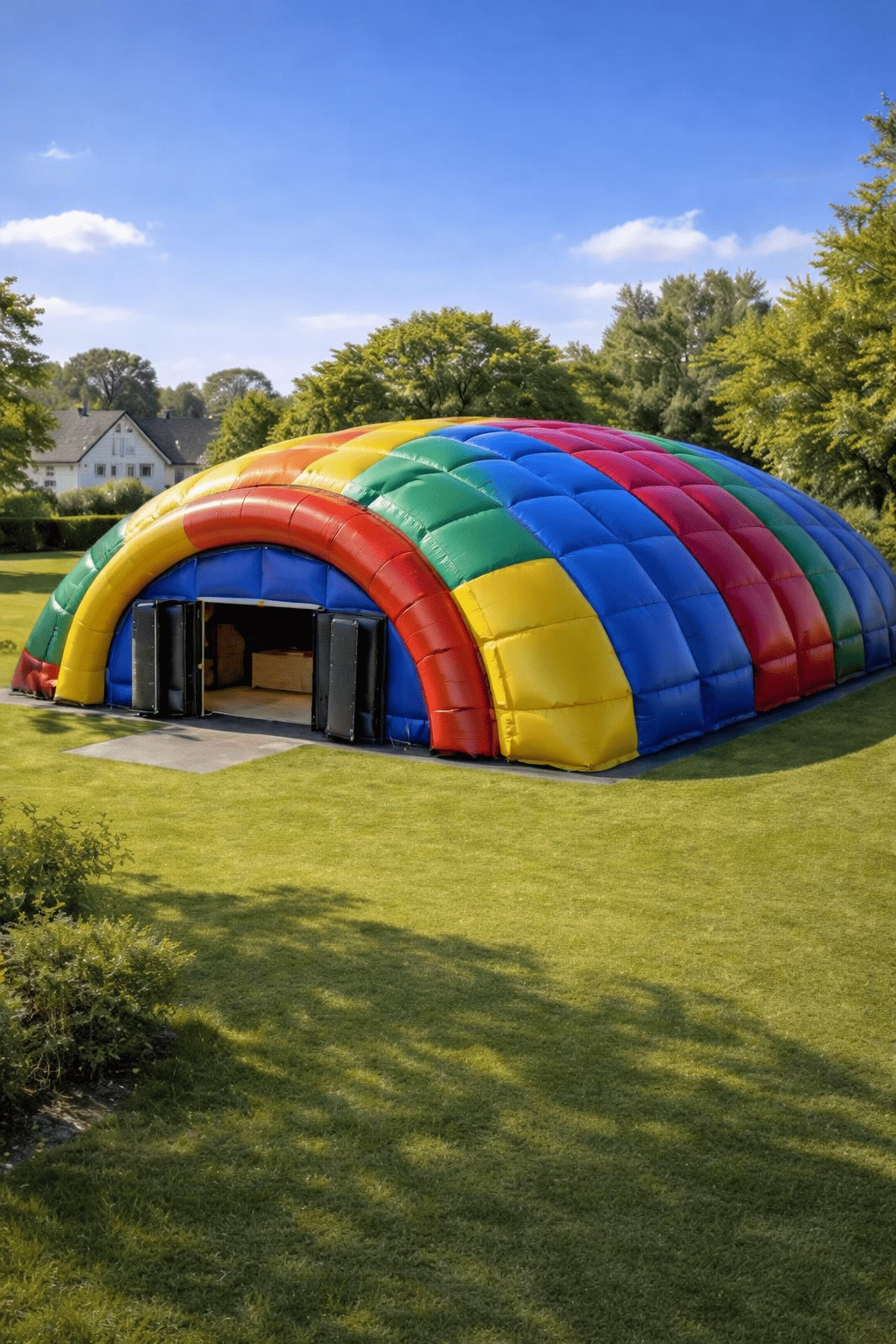
An inflatable dome house is a curved living structure built using an air-supported membrane, commonly called an Airform. The process begins with a large, balloon-like membrane placed on a concrete ring foundation. Air blowers inflate the membrane into a stable dome shape, after which layers of polyurethane foam insulation and steel-reinforced concrete are applied to the interior surface. Once cured, the result is a permanent, seamless, and extraordinarily strong shell — a real home, not a temporary tent.
This construction method, pioneered by systems like the Monolithic Dome, produces structures that meet FEMA standards for near-absolute protection against tornadoes, hurricanes, earthquakes, fire, and even pest infestation. The curved form isn’t just visually striking — it’s structurally genius.
Key Benefits of an Inflatable Dome House
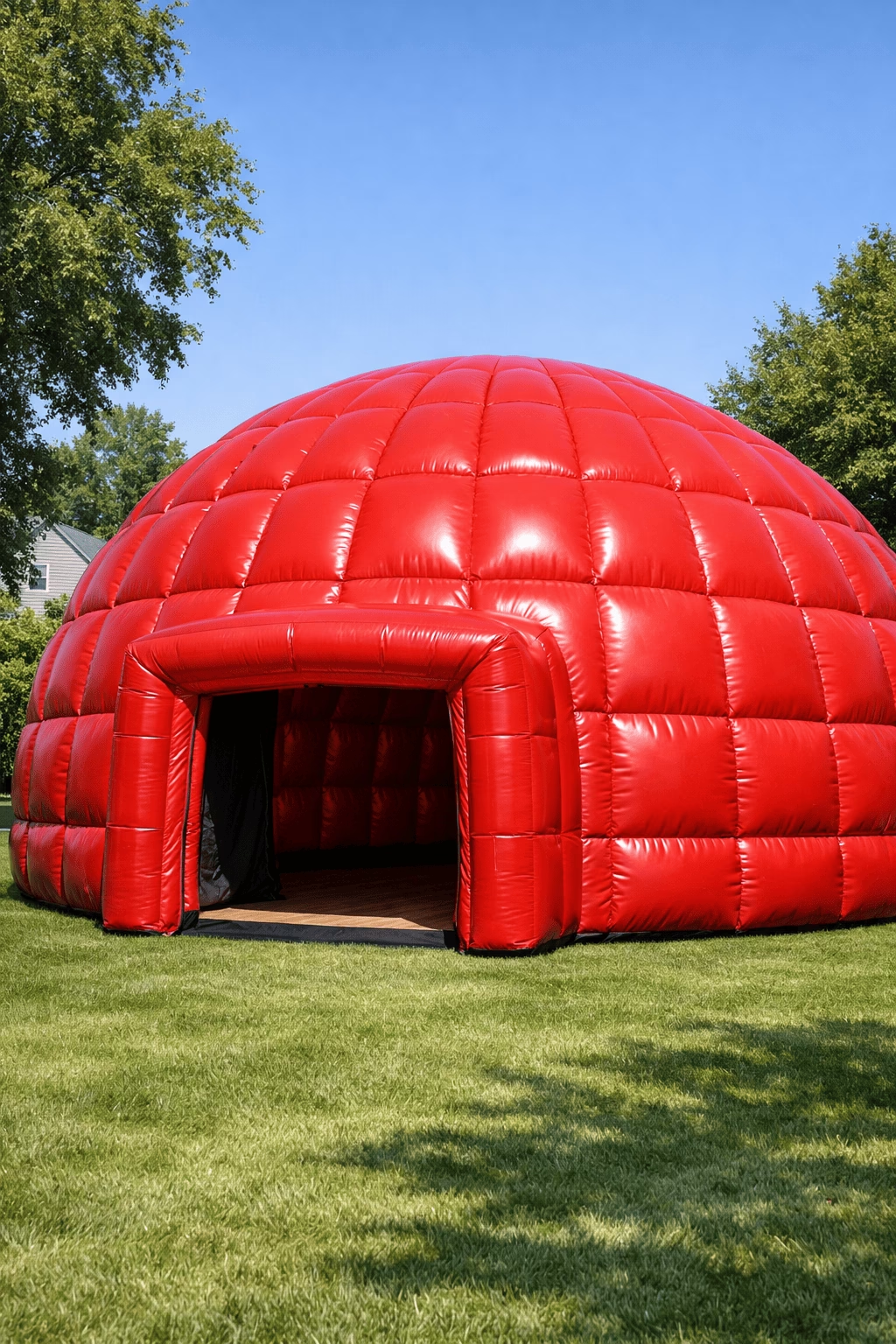
1. Exceptional Energy Efficiency
One of the most compelling reasons homeowners choose an inflatable dome house is its superior energy performance. The dome’s spherical shape encloses the maximum volume with the minimum surface area, meaning there’s simply less exterior wall through which heat can escape or enter. Studies and real-world data consistently show that a monolithic dome home uses up to 50% less energy for heating and cooling compared to a conventionally built home of the same size. Natural air circulation inside the dome further distributes temperature evenly, reducing reliance on mechanical HVAC systems.
2. Disaster-Resistant Durability
The rounded profile of an inflatable dome house isn’t just aesthetic — it’s aerodynamically superior. Wind flows around the curved surface rather than pushing against flat walls, dramatically reducing structural stress during storms. Combined with the reinforced concrete shell, these homes have a proven track record of surviving events that destroy traditional buildings. For families in hurricane zones, tornado corridors, or earthquake-prone regions, a dome home offers unmatched peace of mind.
3. Lower Construction Costs
Compared to traditional stick-frame or concrete-block construction, inflatable dome homes can be significantly more affordable. The airform membrane reduces the need for complex scaffolding and large labor crews. Some estimates put the total cost of an inflatable dome structure at one-third to one-fifth of equivalent traditional structures, depending on size and finish level. A 1,000-square-foot monolithic dome shell can be completed for around $60,000, rising to approximately $130,000 once fully finished with interiors — still competitive against conventional builds in many markets.
4. Eco-Friendly Construction Process

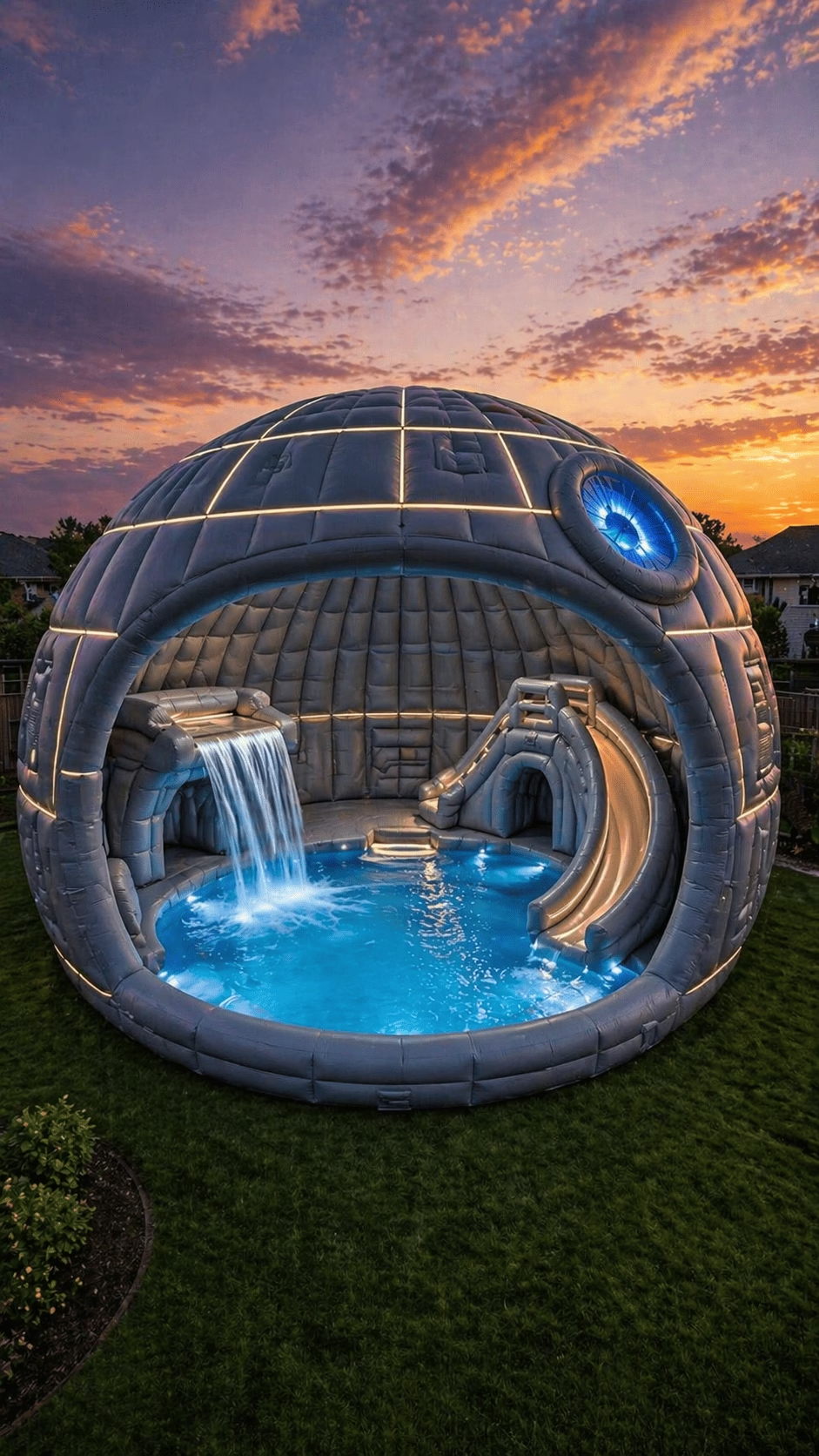
The environmental footprint of building an inflatable dome house is impressively low. Construction generates minimal noise, no exhaust pollution, and virtually no building waste compared to conventional methods. The finished structure is also inherently green — its energy efficiency slashes long-term carbon emissions, and the concrete-and-foam shell resists mold, rot, and moisture intrusion without chemical treatments. Increasingly, builders are incorporating recyclable PVC and PVDF membranes and sustainable insulation materials such as hemp, wool, or recycled cellulose.
5. Low Maintenance Over Decades
Once built, an inflatable dome house is remarkably low-maintenance. The outer concrete shell resists mold, pests, fire, and water intrusion that commonly deteriorate traditional homes. There are no gutters to clean, no siding to repaint, and no roof shingles to replace. Owners typically report reduced repair costs and higher long-term satisfaction compared to conventional housing.
Who Is an Inflatable Dome House For?
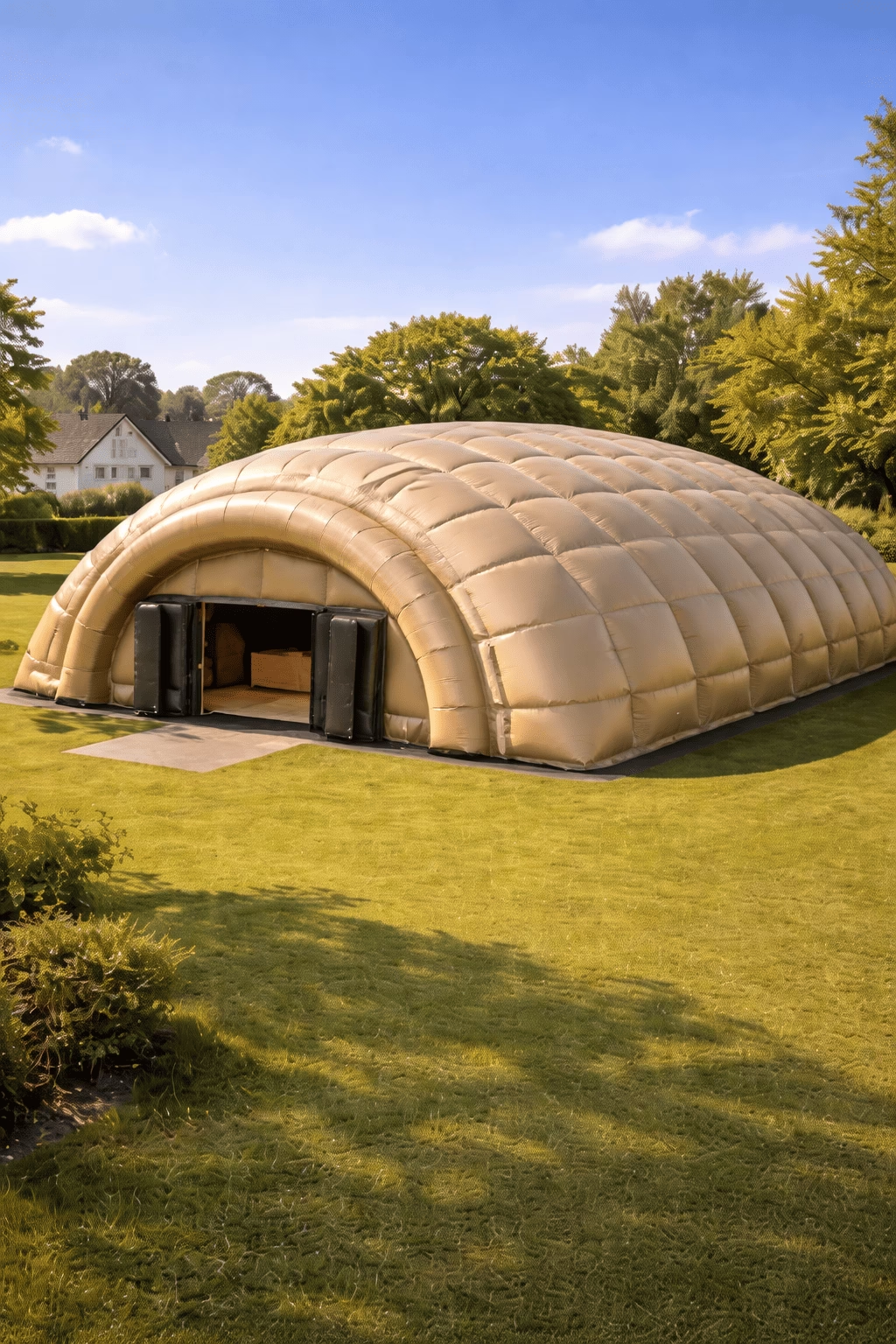
The versatility of inflatable dome structures means they serve a wide range of needs:
- Permanent residences for homeowners seeking energy-efficient, disaster-resilient housing
- Eco-retreats and glamping sites where unique architecture enhances the guest experience
- Emergency and humanitarian housing — thanks to rapid deployment capability
- Commercial and sports facilities, including event venues, warehouses, and training centers
- Off-grid homesteads where sustainability and self-sufficiency are priorities
Challenges to Consider
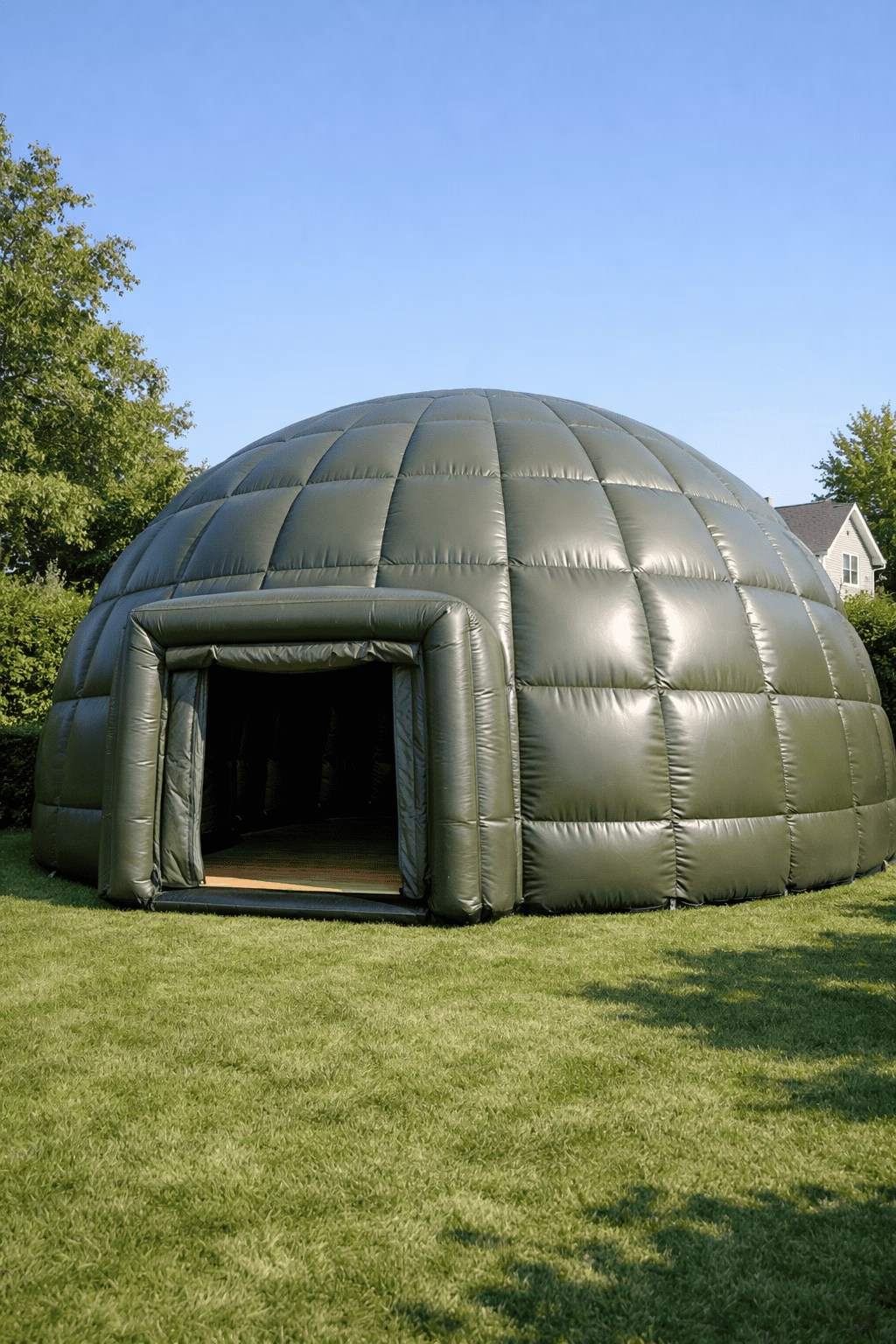
Like any non-traditional housing choice, an inflatable dome house comes with considerations to plan for. Curved interior walls can make furniture placement and standard cabinetry more complex, often requiring custom-built solutions. Zoning regulations in some areas may not immediately classify dome structures within conventional housing categories, meaning additional permitting steps may be needed. Finding contractors experienced with monolithic or air-formed construction may also require more research than hiring a standard builder.
That said, awareness and acceptance of dome housing is growing steadily. With the global market for inflatable structures expanding at a CAGR of around 8.4%, more professionals and local authorities are becoming familiar with — and receptive to — dome construction.
The Future of Inflatable Dome Living
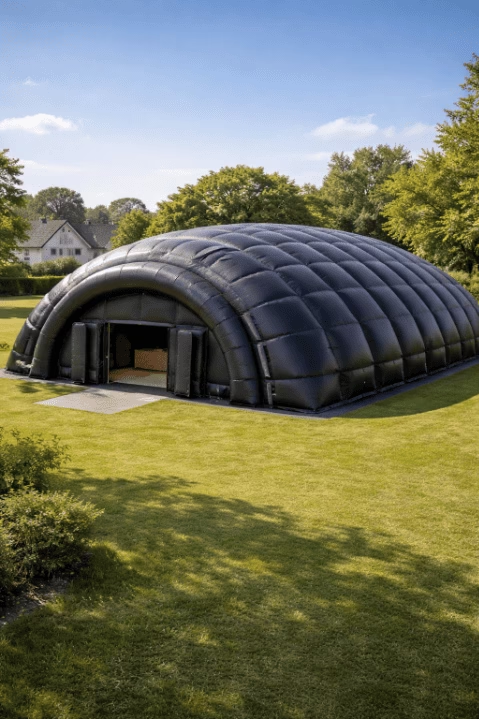
Innovation in this space is accelerating. Smart home integration using IoT sensors for temperature, humidity, and structural monitoring is becoming standard in newer dome builds. Pre-fabricated electrical, HVAC, and plumbing modules are making dome interiors as comfortable and feature-rich as any conventional home. Meanwhile, architectural designers are pushing the boundaries with complex, multi-dome layouts connected by inflatable tunnels — creating homes that feel as expansive and dynamic as the imagination allows.
Final Thoughts
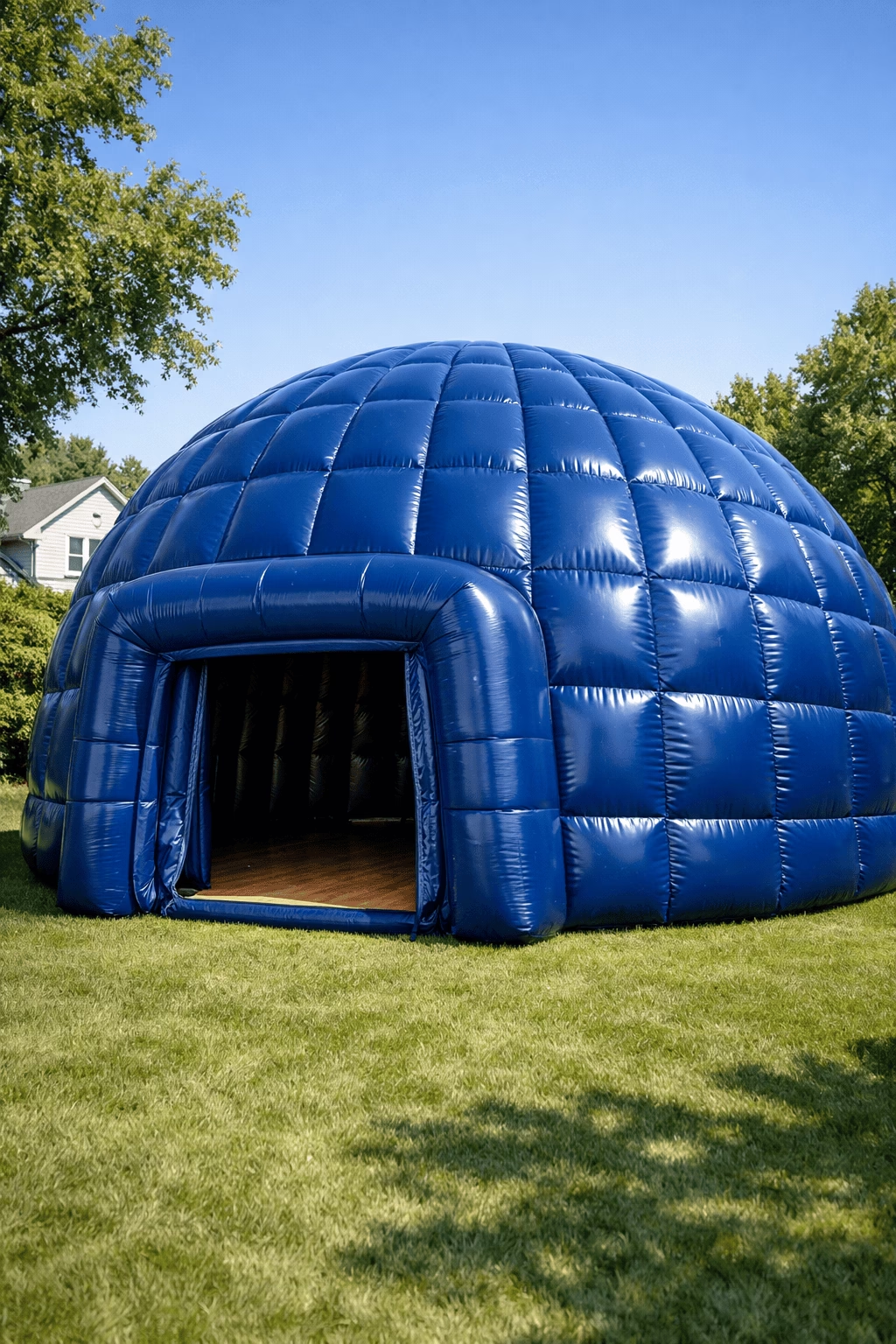
The inflatable dome house is no longer a niche curiosity — it’s a proven, practical, and increasingly popular housing solution that delivers on energy efficiency, structural resilience, cost savings, and sustainability. Whether you’re building your forever home, developing an eco-resort, or simply exploring what the future of housing looks like, the inflatable dome house stands as one of the most exciting options available today.
If you’re ready to explore dome living further, consult with a certified dome construction specialist and check local zoning requirements early in the planning process. The home of the future might just be rounder than you expected.