What Is the LEGO Penguin Ice Walker?
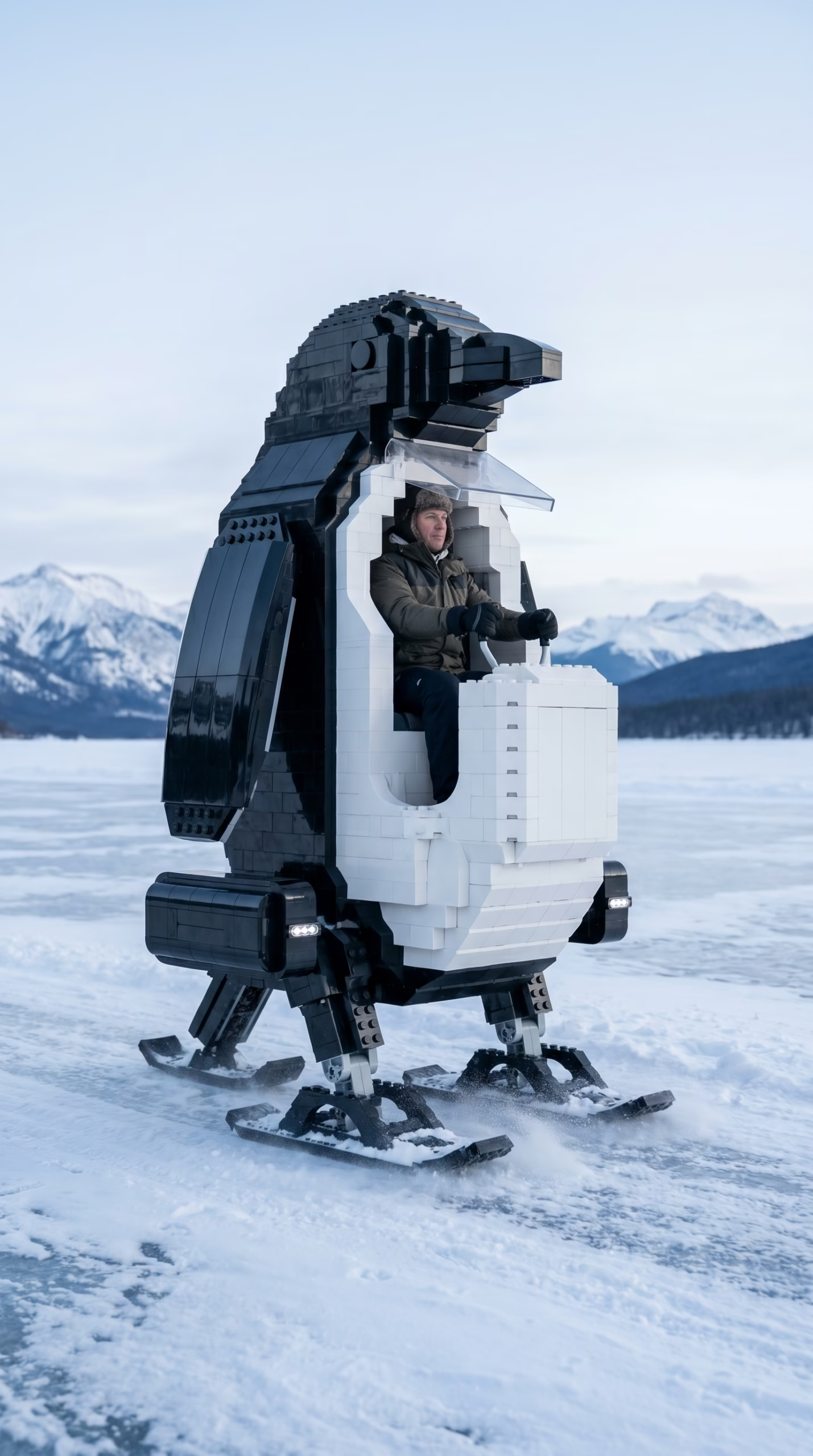
LEGO Penguin Ice Walker is a fictional creative concept inspired by the charming shape of a penguin and the idea of traveling across frozen landscapes. Instead of being imagined as a small display model, this concept is designed as a full-size 1:1 ice-walking machine that a real adult could theoretically sit inside and control.
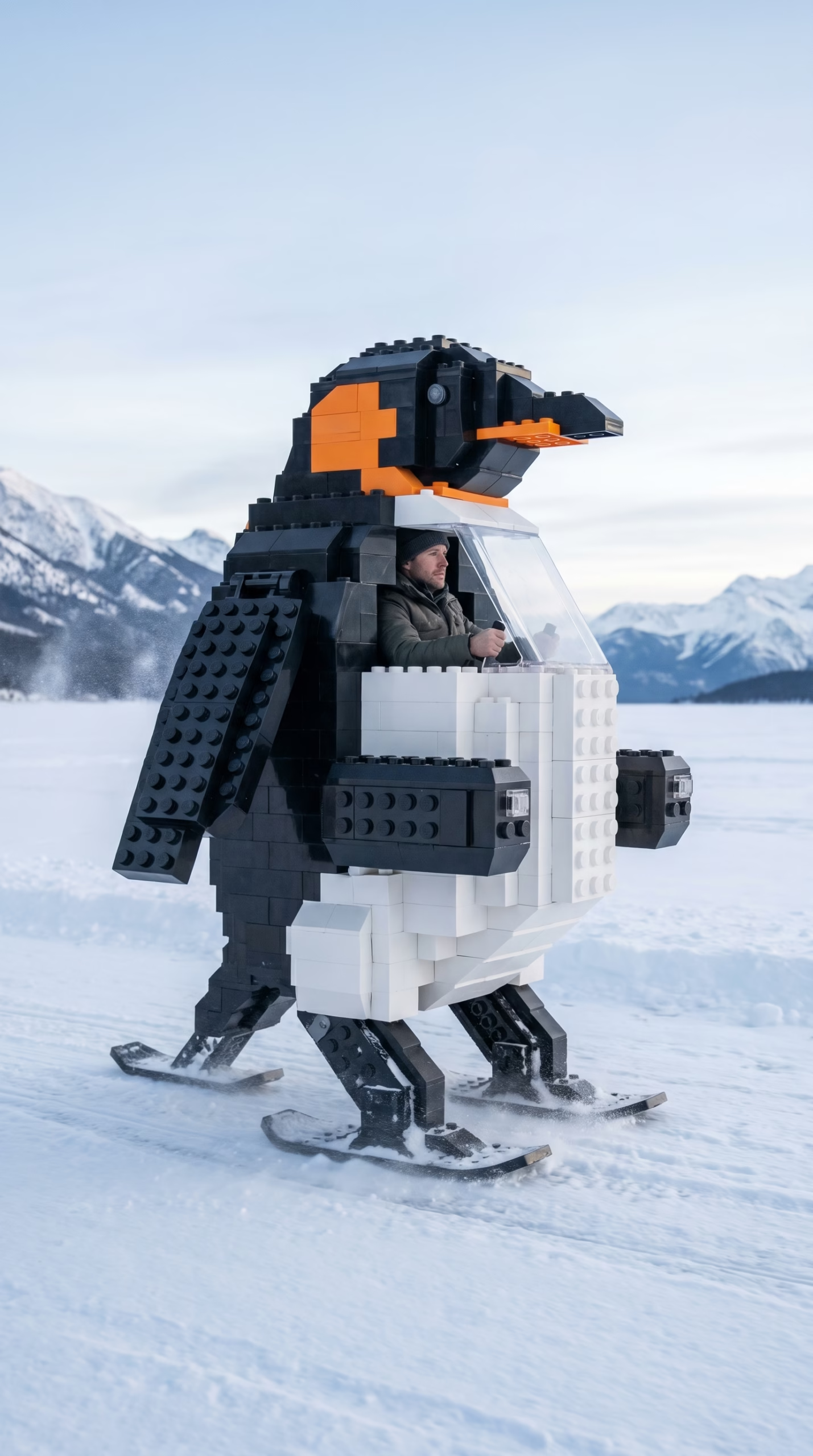
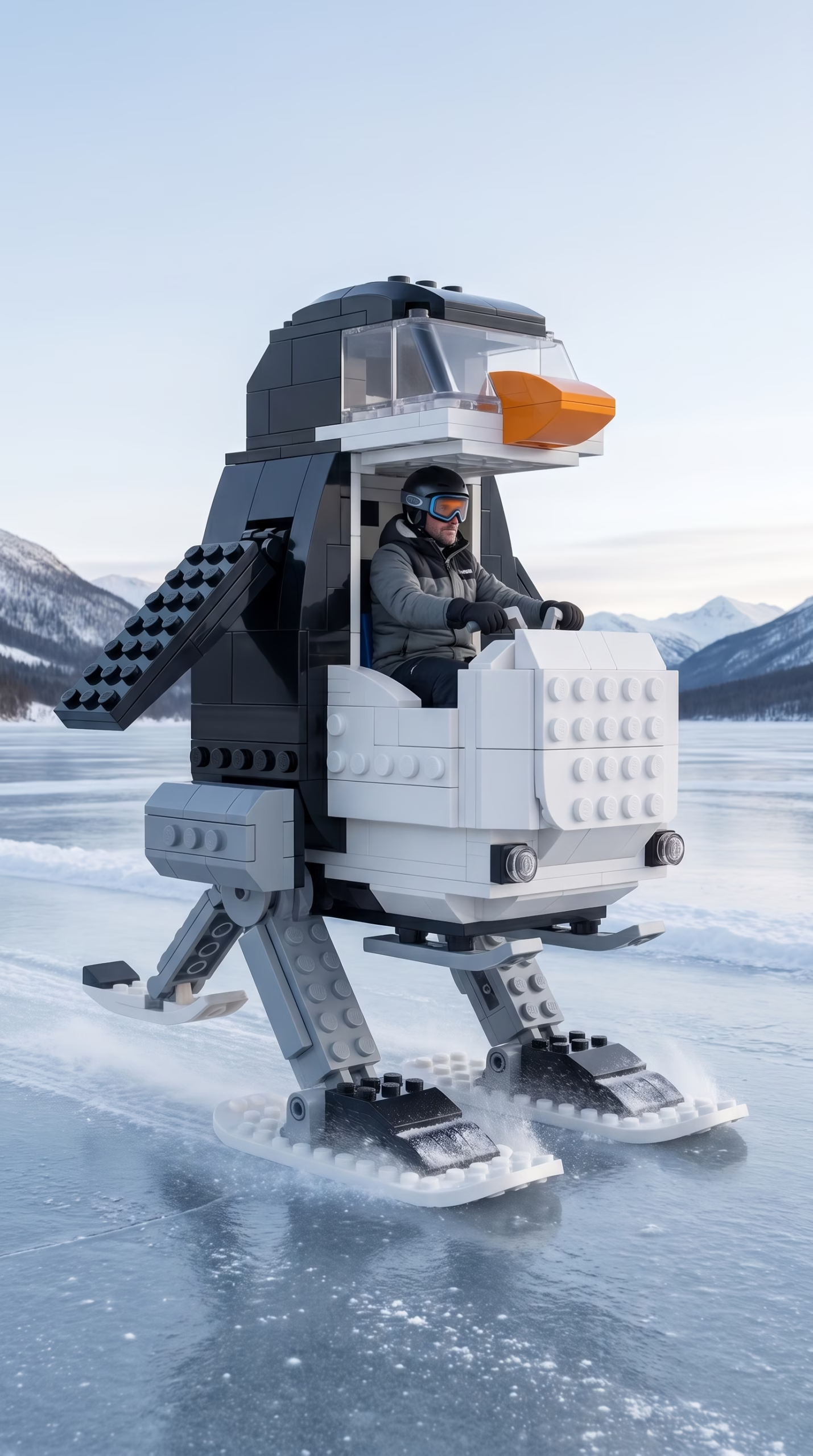
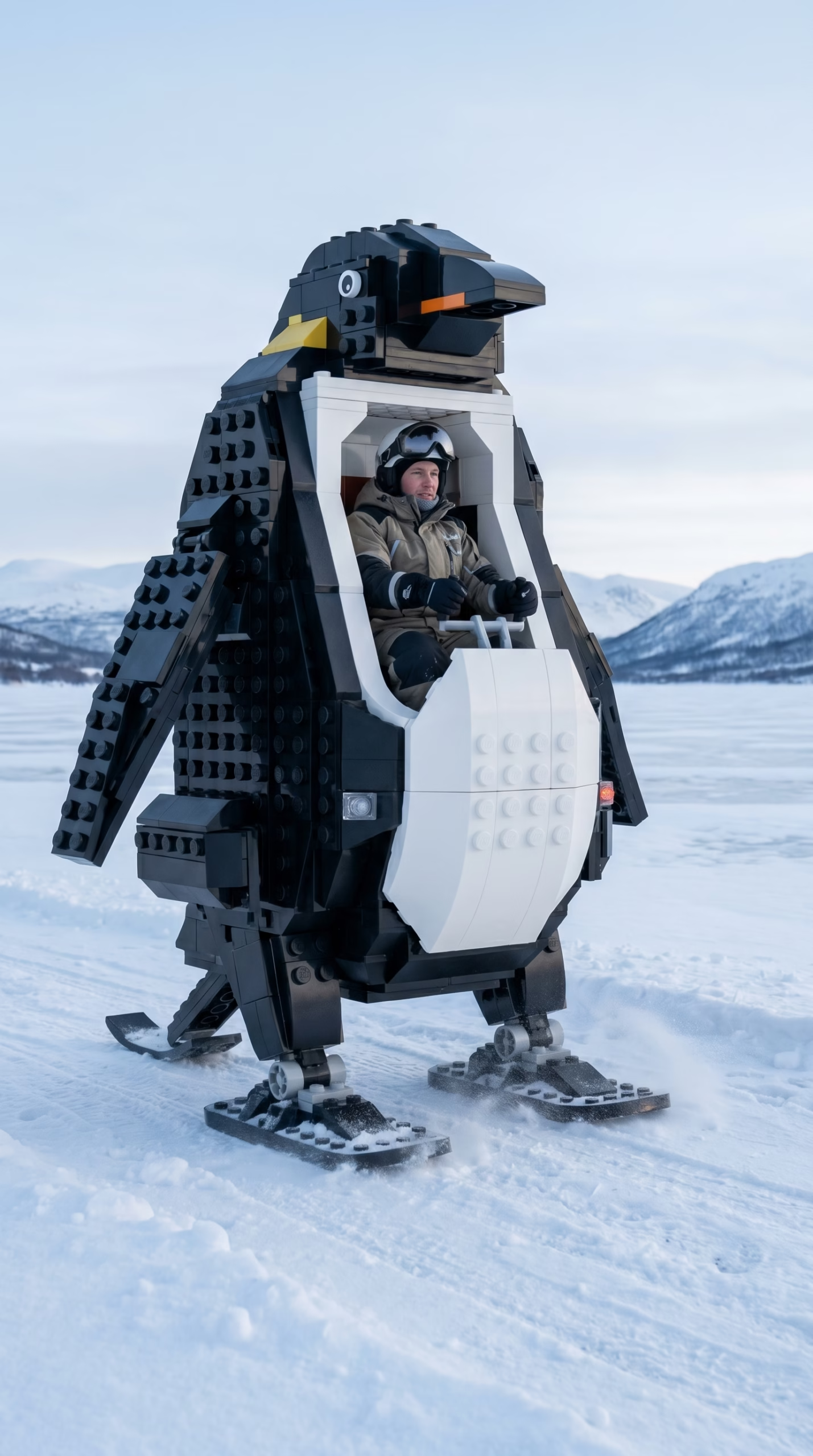
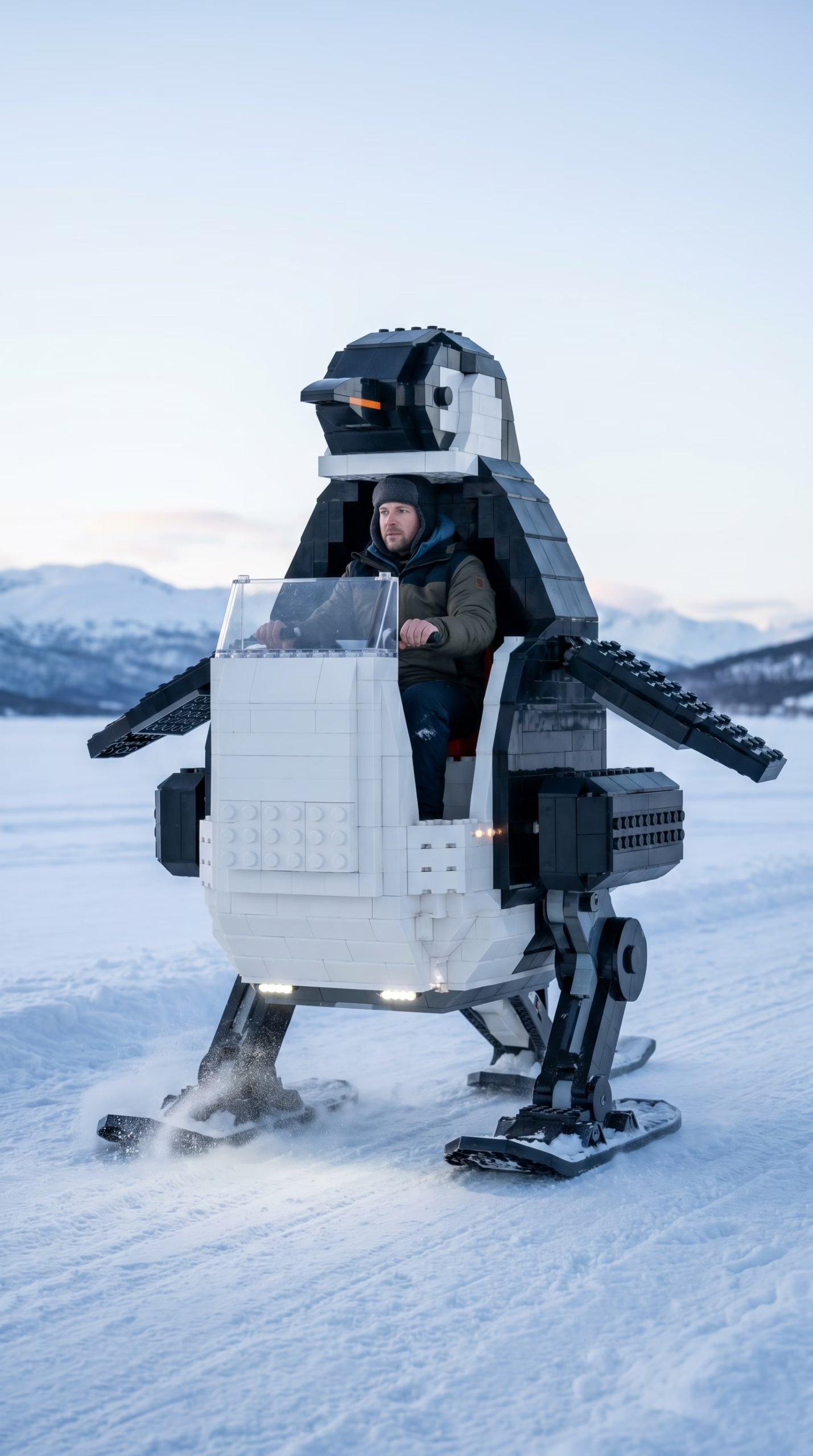
The appeal of the LEGO Penguin Ice Walker comes from the contrast between cuteness and engineering. From a distance, it looks like a giant penguin standing on an icy lake. Up close, it becomes something much more unusual: a rideable mechanical walker built from oversized interlocking bricks, with visible studs, clear seams, a cockpit-style interior, and large mechanical feet designed for snowy terrain.
This is not meant to be a real animal or a realistic penguin. It is a playful, imaginative machine inspired by a penguin’s silhouette, transformed into a surreal winter vehicle for visual storytelling.
A Design Inspired by Penguins
Penguins have one of the most recognizable shapes in nature. Their rounded bodies, white bellies, black backs, short beaks, and tiny flipper-like wings make them instantly familiar. The LEGO Penguin Ice Walker takes those recognizable features and reinterprets them through a mechanical design language.
The black-and-white body becomes a protective brick-built shell. The white belly area becomes the main cockpit zone. The small orange beak turns into a compact front detail, while the side flippers act as stabilizers. Instead of soft feathers or organic movement, the entire structure is imagined as rigid, blocky, and engineered.
The most important part of the design is the pair of mechanical walking legs. Instead of wheels, the Penguin Ice Walker uses oversized snowshoe-like foot pads. Each step is slow, heavy, and deliberate, giving the machine a sense of weight and stability on frozen ground.
Full-Size 1:1 Scale for Real Human Interaction
In this fictional concept, the LEGO Penguin Ice Walker is imagined at real human scale. It could be approximately 3.8 meters long, 2.15 meters wide, and over 3 meters tall at the head. Those proportions make it large enough for a real adult to climb inside, sit in the cockpit, and appear naturally scaled within the machine.
The cockpit would sit inside the rounded belly section, with a front viewing window and a simple control panel. The driver would be positioned inside the body, giving the impression that the penguin machine is being piloted from within.
This scale is important for visual storytelling. When a real person stands beside the Penguin Ice Walker or climbs into it, the viewer immediately understands that this is not a tiny object. It is imagined as a human-usable winter machine, built for cinematic impact.
How the Ice Walker Could Move
The LEGO Penguin Ice Walker is designed to move slowly rather than quickly. Its charm comes from the idea of a giant penguin-shaped machine carefully stepping across snow and ice.
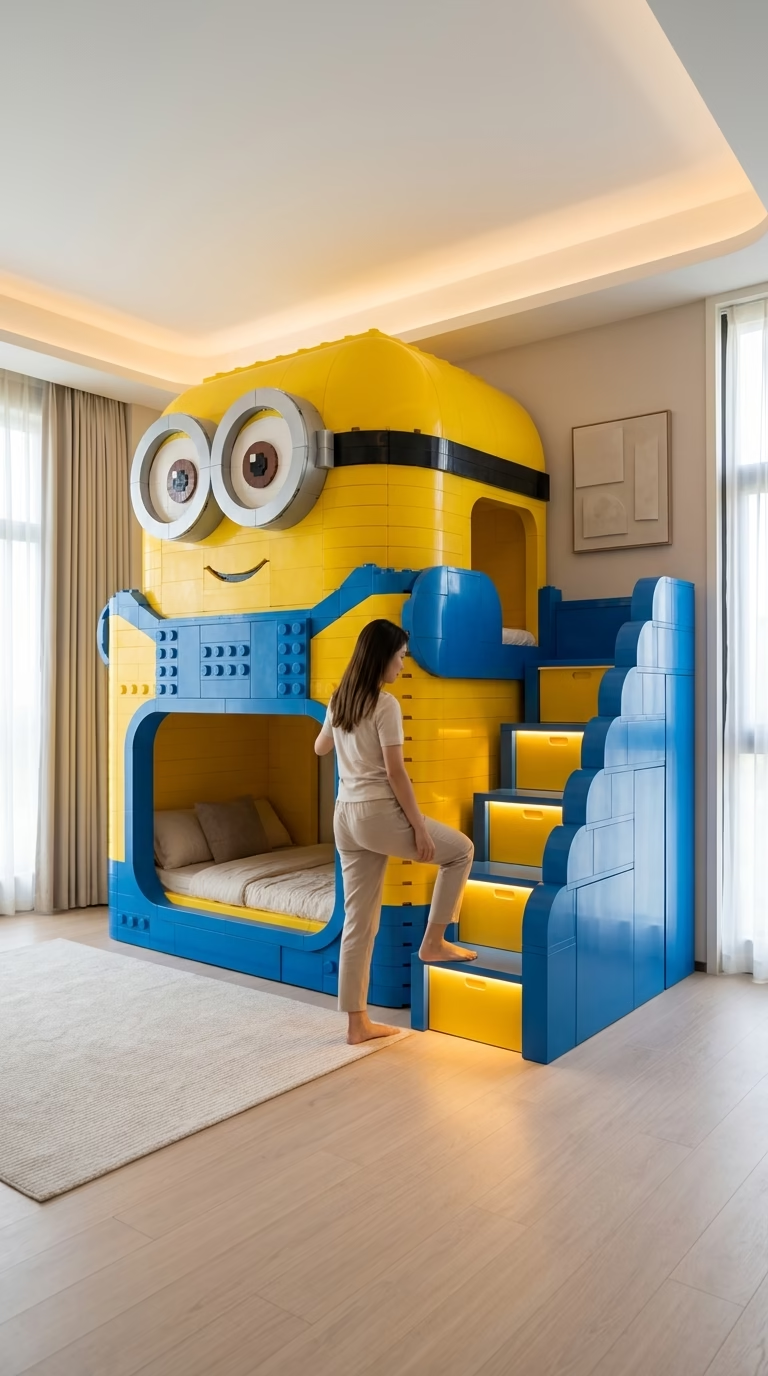

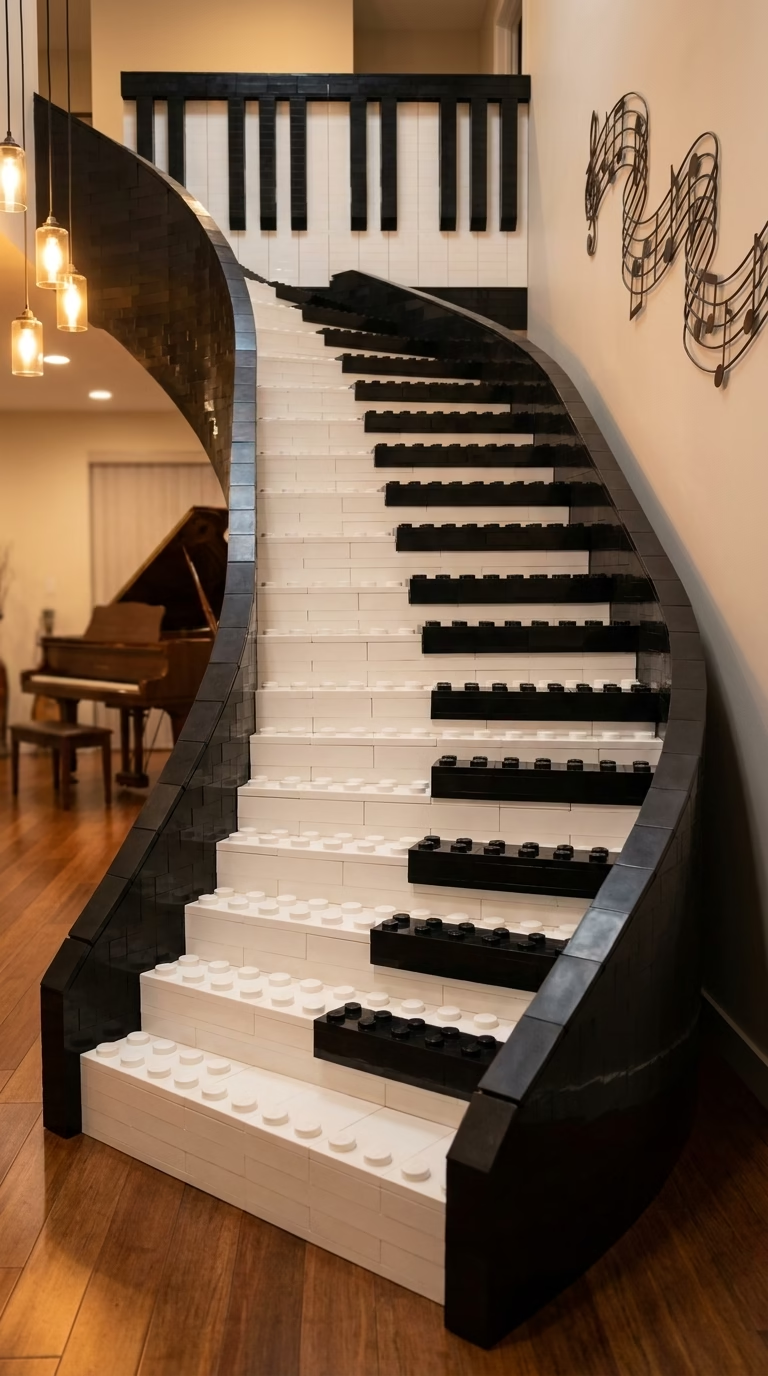
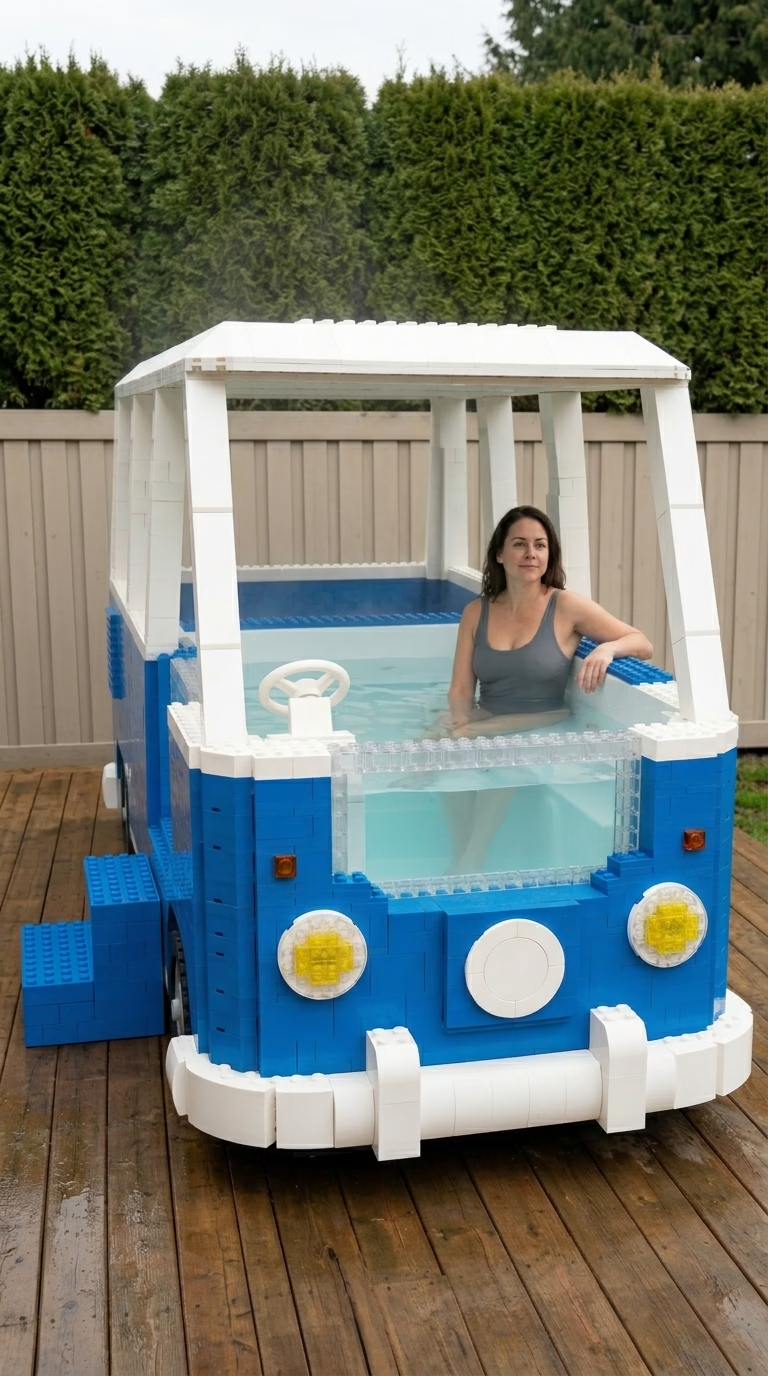
Each foot would lift slightly, move forward, press down into the snowy surface, and leave a subtle impression behind. The body might shift gently with each step, while the side flippers help create visual balance. The movement should feel mechanical, heavy, and believable, not soft or animal-like.
This makes the machine feel less like a creature and more like an over-engineered winter explorer. It is cute, but it also feels strong enough to cross a frozen lake in a fictional adventure scene.
Why This Concept Works So Well for Short Video Content
LEGO Penguin Ice Walker has strong viral potential because it can be understood almost instantly. Viewers only need a few seconds to recognize the penguin shape. Then the surprise arrives: this penguin is not just standing there. It powers on, opens its cockpit, and starts walking across the ice.
The concept also has a strong emotional contrast. Penguins are usually seen as adorable, clumsy, and funny. A mechanical ice walker, on the other hand, feels futuristic, heavy, and engineered. Combining those two ideas creates a visual that feels both silly and impressive.
It also has the “unnecessary but fascinating” quality that works well in social media videos. A rideable penguin machine may not be practical, but it is the kind of strange idea that makes people stop scrolling, watch the full clip, and comment.
Suggested Visual Storyline
A strong video could begin with the Penguin Ice Walker standing still on a frozen lake. The environment is quiet, snowy, and cinematic. For the first few seconds, nothing moves. Then the lights inside the belly turn on. The head lifts slightly. The mechanical feet adjust against the snow.
Next, a real adult walks toward the machine and opens the cockpit. This moment gives the concept scale and makes it feel more believable. The person climbs inside, sits down, and activates the controls.
The final scene shows the Penguin Ice Walker taking slow, heavy steps across the frozen lake. Snow compresses beneath the wide foot pads. The body rocks gently with each step. The lights glow against the cold environment, and the machine moves forward like a strange winter exploration vehicle.
The Creative Appeal of the LEGO Penguin Ice Walker
The strongest part of this concept is not just the penguin shape. It is the way the idea turns a familiar animal into a functional-looking fantasy machine.
The oversized brick structure gives the design a playful identity. The visible studs and seams make it clear that the machine is built from large interlocking pieces. The mechanical legs add movement and purpose. The cockpit gives it a human-use moment. Together, these details make the Penguin Ice Walker feel like more than a static object.
It becomes a character, a vehicle, and a visual experiment at the same time.
Final Thoughts
LEGO Penguin Ice Walker is a strong fictional concept for AI-generated visuals, short-form video, and imaginative design storytelling. It has a clear silhouette, a fun personality, and a memorable final-use scene with a real person.
It works because it feels both adorable and ridiculous. A penguin-shaped machine walking across a frozen lake is not something anyone expects to see, but once the idea appears on screen, it feels strangely satisfying.
In the end, the question is simple:
Would you climb into the LEGO Penguin Ice Walker and cross the frozen lake, or would you stay safely behind the camera?