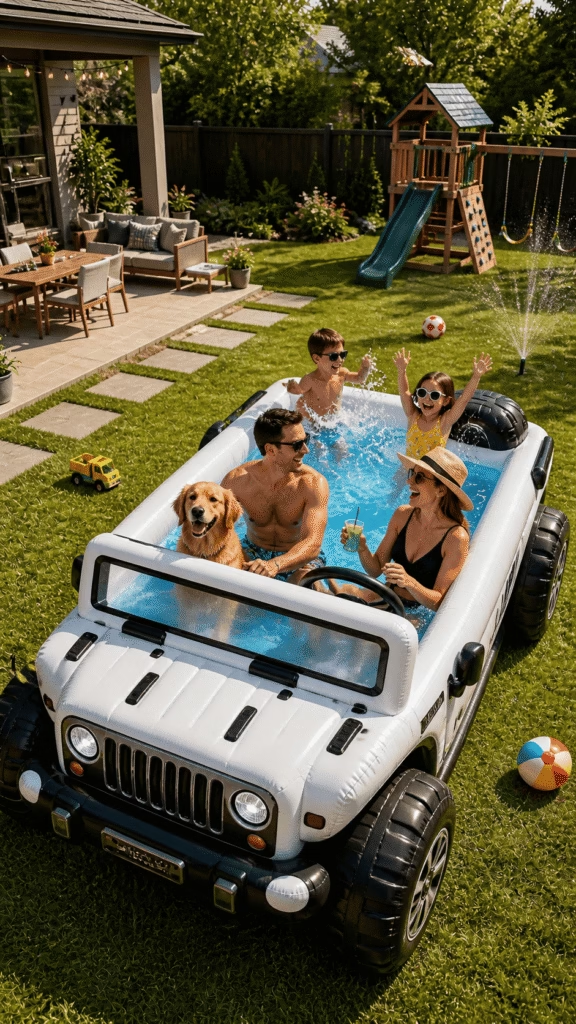
There’s nothing quite like sinking into a warm, bubbling hot tub after a long day. For decades, that experience was reserved for homeowners with the budget, the space, and the willingness to commit to a permanent installation. Not anymore. The inflatable hot tub has brought the spa experience within reach of millions of people — renters, first-time buyers, weekend warriors, and anyone who wants the luxury of a hot tub without the permanent price tag or the contractor’s phone number.
But are inflatable hot tubs actually worth it? What should you look for when buying one? And how do you get the most out of yours once it’s set up? This guide covers everything.
What Is an Inflatable Hot Tub?
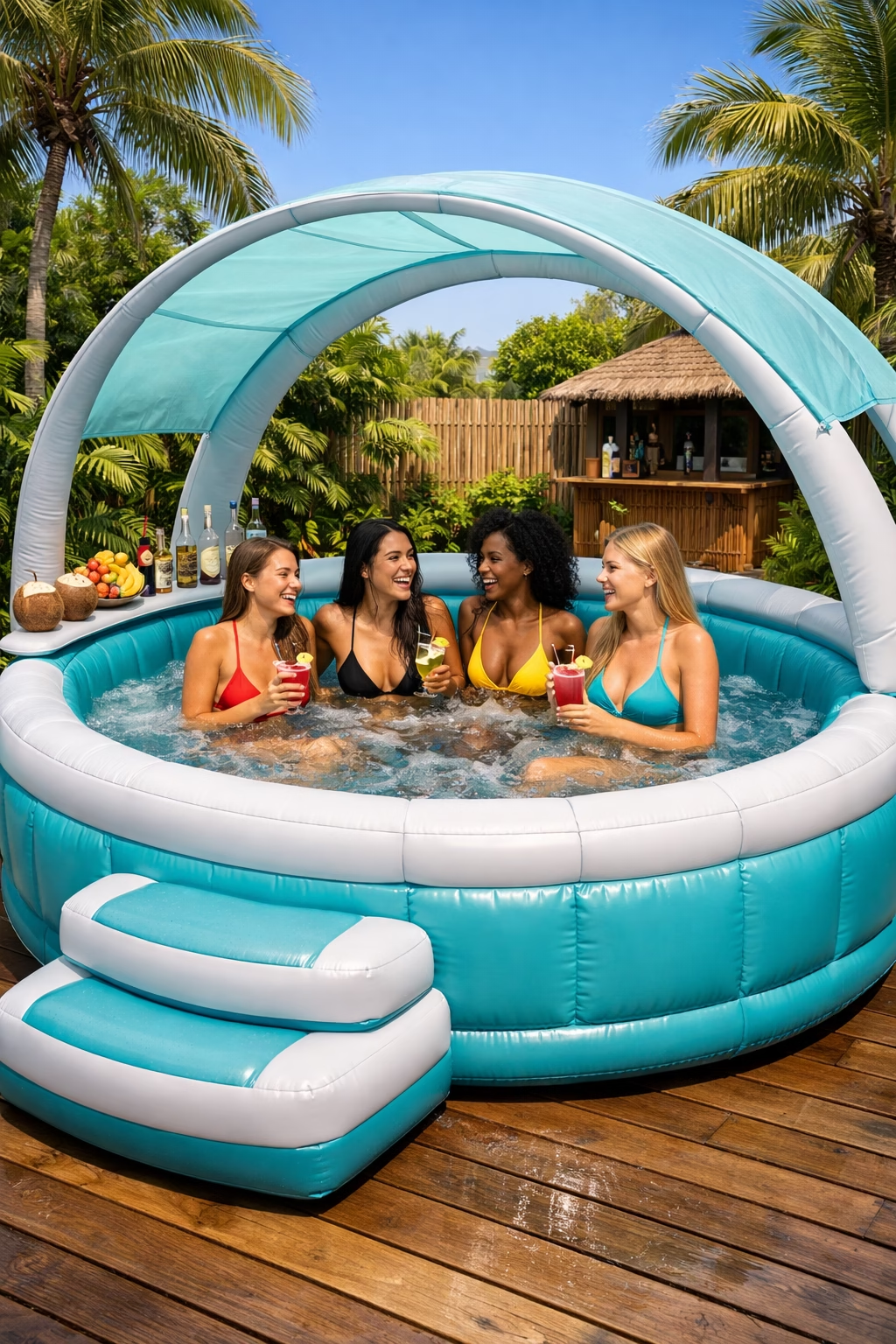
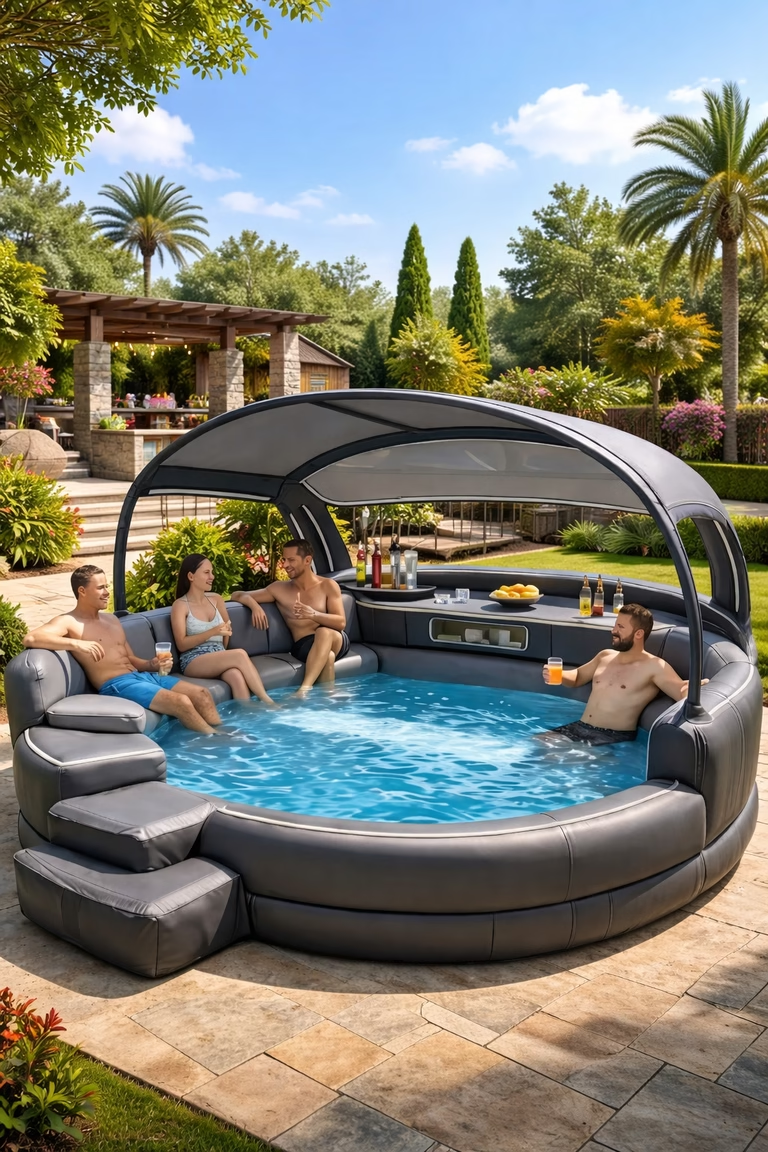
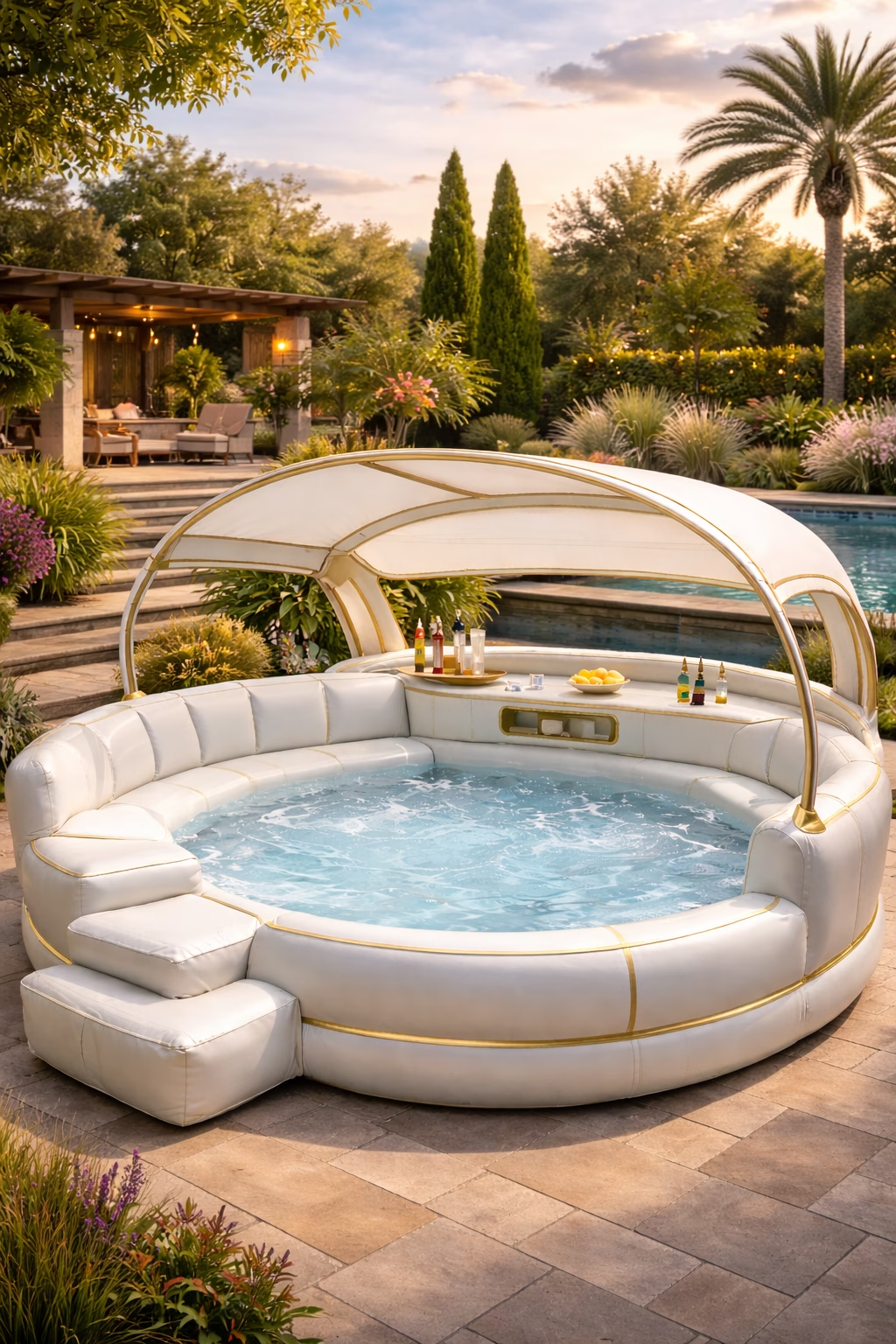
An inflatable hot tub — also called a portable spa or blow-up hot tub — is a freestanding hot tub constructed from reinforced PVC or multi-layer vinyl rather than hard acrylic or fiberglass. It inflates using a built-in or included air pump, fills with water, connects to a power outlet, and is ready to use without any professional installation, plumbing work, or permanent structural changes.
Most inflatable hot tubs heat water to a maximum of 104°F (40°C), include between 60 and 180 air jets for massage and relaxation, and operate on a standard 110–120V household outlet — no special wiring required. Models range from compact 2–3 person tubs all the way up to 6–8 person party-sized spas, with prices typically falling between $300 and $1,200 depending on size, features, and brand.
Why Inflatable Hot Tubs Are So Popular in 2026
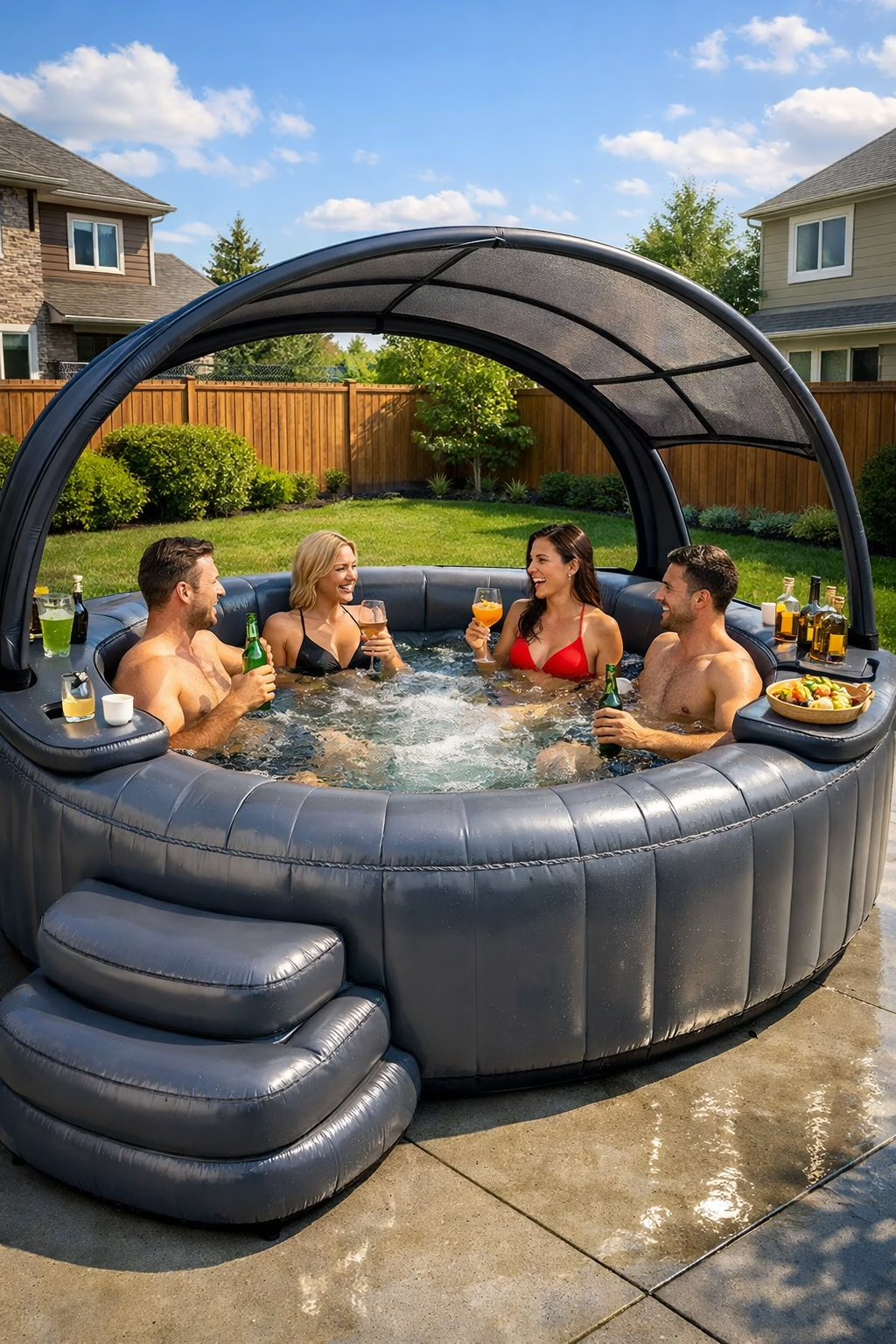
The inflatable hot tub market has grown dramatically in recent years, and it’s not hard to understand why. Only about 5% of American homes currently have a hot tub, yet surveys consistently show that more than 70% of Americans say a hot tub would significantly improve their quality of life. The gap between desire and ownership has always been cost and commitment — and the inflatable hot tub closes that gap entirely.
Traditional hot tubs can cost between $3,000 and $15,000 — roughly 10 to 15 times more than a typical inflatable model. Add professional installation, electrical work, and ongoing maintenance costs, and a permanent spa becomes a significant household investment. An inflatable hot tub, by contrast, can be set up by one person in an afternoon, requires no permits or contractors, and can be deflated and stored in a closet when not in use.
For renters, apartment dwellers, and homeowners who aren’t ready to commit to a permanent fixture, the inflatable hot tub represents the most practical path to genuine at-home spa relaxation.
Key Features to Look for in an Inflatable Hot Tub
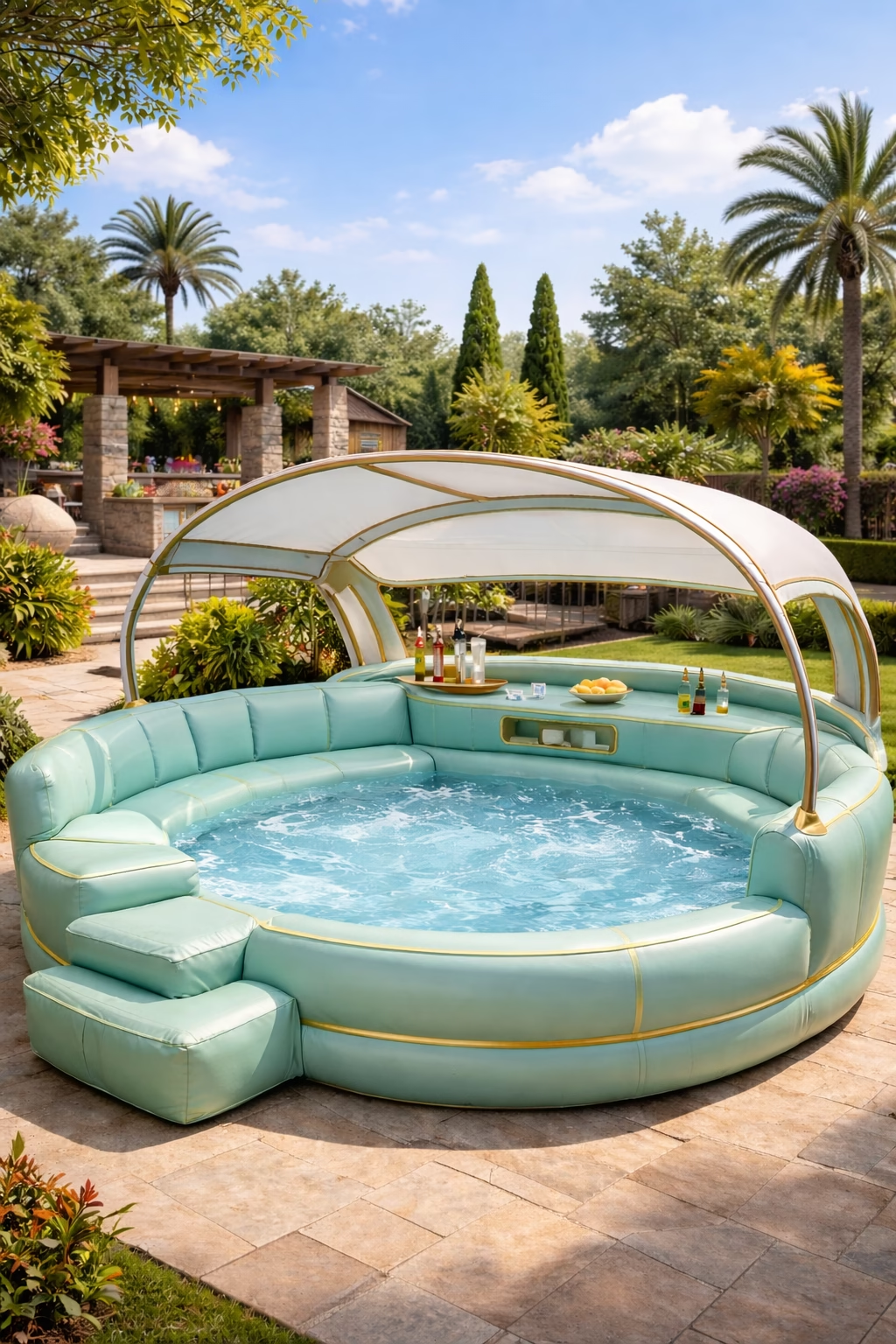
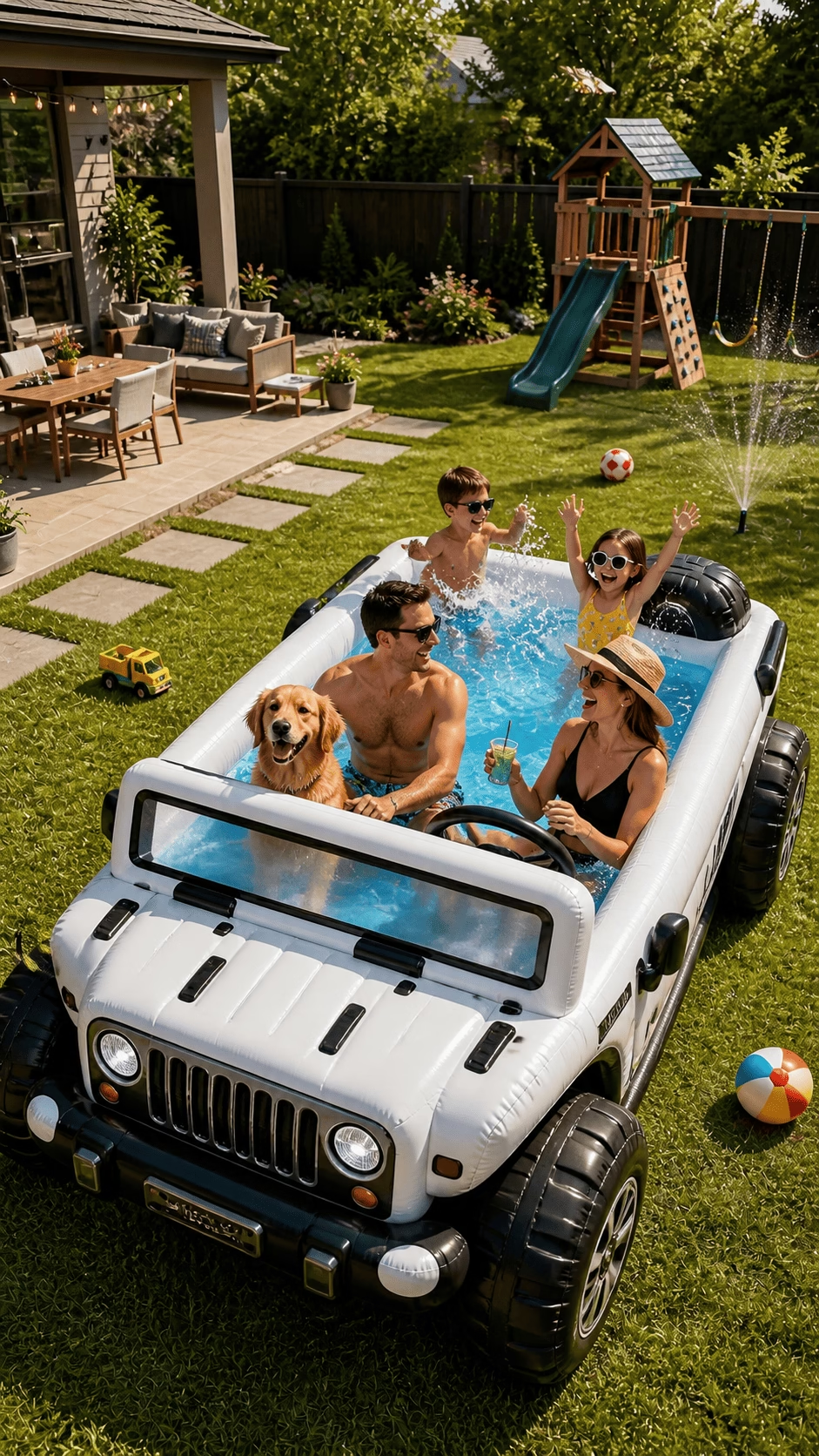
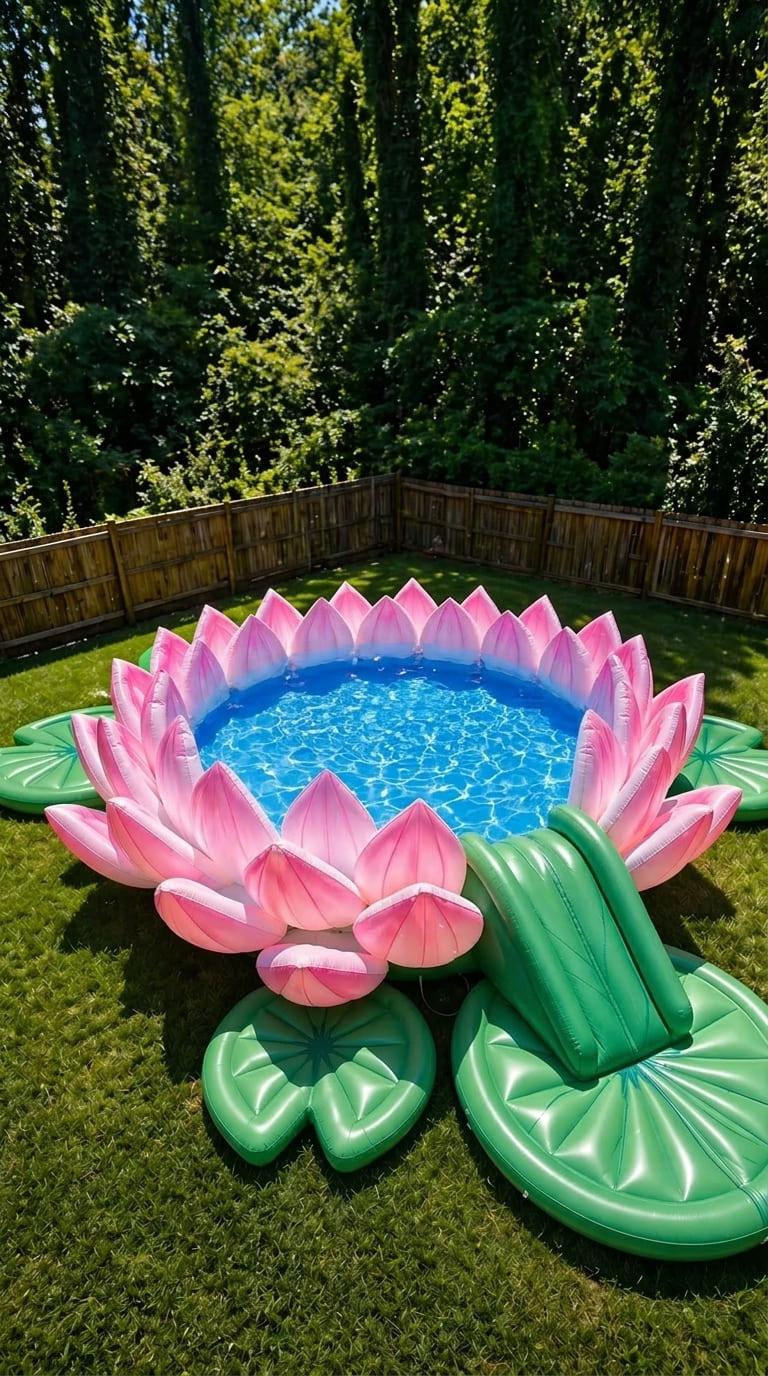
Size and Seating Capacity
Inflatable hot tubs come in a range of sizes, starting at around 67 inches in diameter for 2–4 person models, up to 90+ inches for 6–8 person configurations. One important note: comfortable adult capacity typically runs one to two people below manufacturer claims, since inflatable models don’t have molded seats and legroom is more limited than in hard-shell tubs. Buy slightly bigger than you think you need.
Jet System
Most inflatable hot tubs use AirJet systems that push bubbles through holes in the tub walls. This creates a pleasantly soothing effect — excellent for relaxation and light hydrotherapy — though it delivers less targeted muscle relief than the high-pressure hydrojets found in traditional acrylic spas. The best models come with between 60 and 180 integrated air jets. More jets generally means better coverage and a more immersive soak.
Heating Performance
Standard inflatable hot tubs heat water at roughly 1–2°C per hour, meaning a cold fill can take 12–24 hours to reach your target temperature. Filling and heating the tub initially requires patience but minimal effort — once the heater is running, water heats consistently throughout. For faster results, partially fill with hot tap water before topping up with cold.
Insulation and Energy Efficiency
This is the most significant practical difference between inflatable and traditional hot tubs. Inflatable hot tubs tend to lose heat more quickly due to less efficient insulation, requiring more energy to maintain desired water temperatures — especially in cooler climates. A well-fitting insulated cover is essential: a good cover prevents up to 70% of heat loss, significantly reducing heater workload and saving energy.
Special Features
Premium models offer extras that meaningfully improve the experience: LED color-changing lighting for ambience, Freeze Shield or FreezeShield technology that protects the pump system during cold weather, digital control panels, and smartphone app connectivity for remote temperature management. Other notable features include ambient LED lighting and an easy-to-reach digital control panel.
Water Filtration and Sanitation
Safety must be a top priority — look for an inflatable hot tub with an established water cleansing system, including a water filtration system, water testing kits, and chemical dispensers to sanitize water and promote safe soaking conditions. Most quality models include filter cartridges and a chemical float or dispenser. Maintaining proper water chemistry is non-negotiable for both safety and tub longevity.
Inflatable Hot Tub vs. Traditional Hot Tub: Honest Comparison
| Feature | Inflatable Hot Tub | Traditional Hot Tub |
|---|---|---|
| Price | $300–$1,200 | $3,000–$15,000+ |
| Installation | DIY, under an hour | Professional, permits often required |
| Jet type | Air bubbles | High-pressure hydrojets |
| Lifespan | 3–8 years | 10–20+ years |
| Portability | Fully portable | Permanent |
| Energy efficiency | Lower | Higher |
| Best for | Renters, beginners, casual use | Long-term owners, frequent use |
The honest takeaway: an inflatable hot tub is not a replacement for a premium permanent spa, but it’s a genuinely excellent product on its own terms — especially for first-time buyers, renters, and anyone prioritizing value and flexibility over long-term investment.
Setting Up Your Inflatable Hot Tub
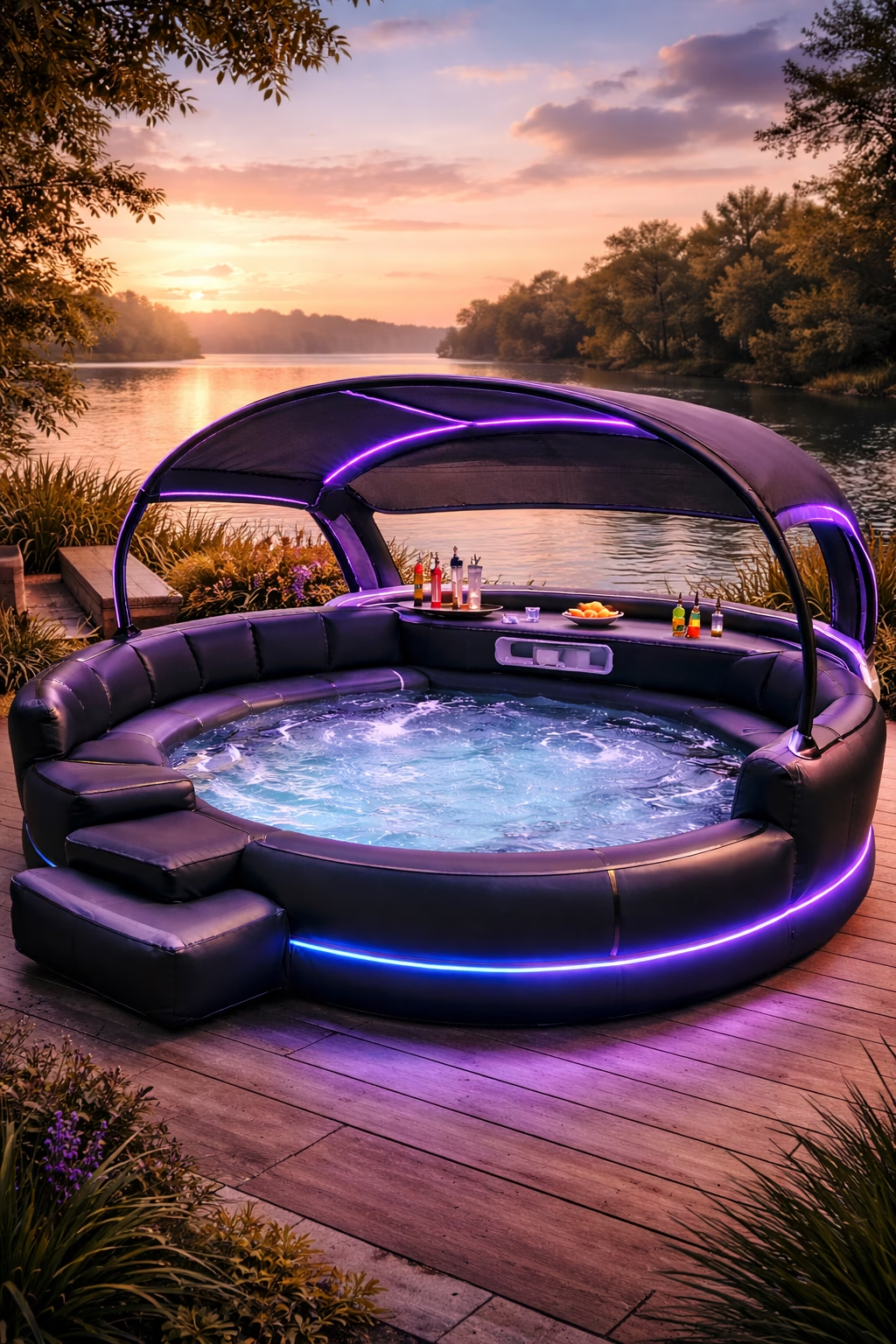
Setup is one of the strongest arguments in favor of the inflatable hot tub. Most models follow the same basic process:
- Choose your location. A flat, stable surface is essential — concrete patio, paving slabs, or interlocking foam tiles work best. Keep in mind that a filled hot tub can weigh well over a ton, so decks and balconies need to be load-rated before use.
- Inflate the tub using the included pump. Most models fully inflate in 5 to 10 minutes.
- Fill with water to the recommended level. Using warm tap water where possible shortens the heating time significantly.
- Power up and set the temperature. Plug into a standard GFCI-protected outlet, set your target temperature, and allow 12–24 hours for the water to reach your desired heat.
- Add chemicals. Balance the pH and alkalinity, add sanitizer (chlorine or bromine), and run the jets to circulate the treatment through the water before your first soak.
Maintenance Tips to Maximize Lifespan
With consistent care, a quality inflatable hot tub can last between 5 and 8 years. Here’s how to get there:
Test water chemistry regularly — at least two to three times per week during active use. Maintaining proper pH (7.2–7.8) and sanitizer levels keeps the water safe and prevents liner degradation.
Clean and rotate filters weekly. Inflatable hot tubs use compact cartridge filters that need more regular cleaning and replacing compared to larger built-in systems — keep extras on hand to rotate and rinse weekly, with replacement cycles every one to three months.
Keep the cover on when not in use. This is the single biggest thing you can do for both energy efficiency and water quality. A good cover retains heat, blocks UV rays, and keeps debris out.
Drain, clean, and refill every 1–3 months depending on usage frequency. High use and warm water accelerate Total Dissolved Solids buildup, which degrades water quality even with correct chemical treatment.
Protect from UV and sharp objects. Store the tub away from direct sunlight when deflated, and keep pets away during use — claws are one of the most common causes of puncture damage.
Use a ground mat. Placing foam or rubber interlocking tiles under the tub reduces wear on the base, improves comfort underfoot at the entry point, and provides extra insulation from cold ground surfaces.
Top Brands to Know
The inflatable hot tub market is led by a handful of brands that consistently receive strong user reviews:
Bestway SaluSpa — consistently top-rated for reliability, heating performance, and feature sets across a wide price range. The Hawaii and Hollywood models are perennial bestsellers.
Coleman SaluSpa — made by Bestway under the Coleman brand, offering a slightly different lineup with similar quality. The AirJet range is particularly popular for entry-level buyers.
Intex PureSpa — a trusted name in inflatables, the PureSpa range offers solid performance with a 5-year shell warranty on flagship models that gives buyers added peace of mind.
Wave — a newer market entrant gaining traction for its design-forward aesthetics, including woodgrain finishes and square formats that look significantly more premium than traditional round models.
Are Inflatable Hot Tubs Worth It?
For the right buyer, absolutely. If you’re a renter who can’t install a permanent fixture, a first-time hot tub owner testing the experience before committing to a large investment, or simply someone who wants a budget-friendly way to enjoy warm-water relaxation at home — the inflatable hot tub delivers genuine value at a fraction of the traditional cost.
The trade-offs are real: less jet power, less insulation, a shorter lifespan, and higher long-term energy costs compared to hard-shell models. But for casual to moderate users who approach ownership with realistic expectations and consistent maintenance habits, the inflatable hot tub is one of the smartest value purchases in the outdoor living category today.
Set it up on a Friday evening. Be soaking in warm, bubbling water by Saturday morning. It really is that simple.